

My Adventure: by Dale Simonson
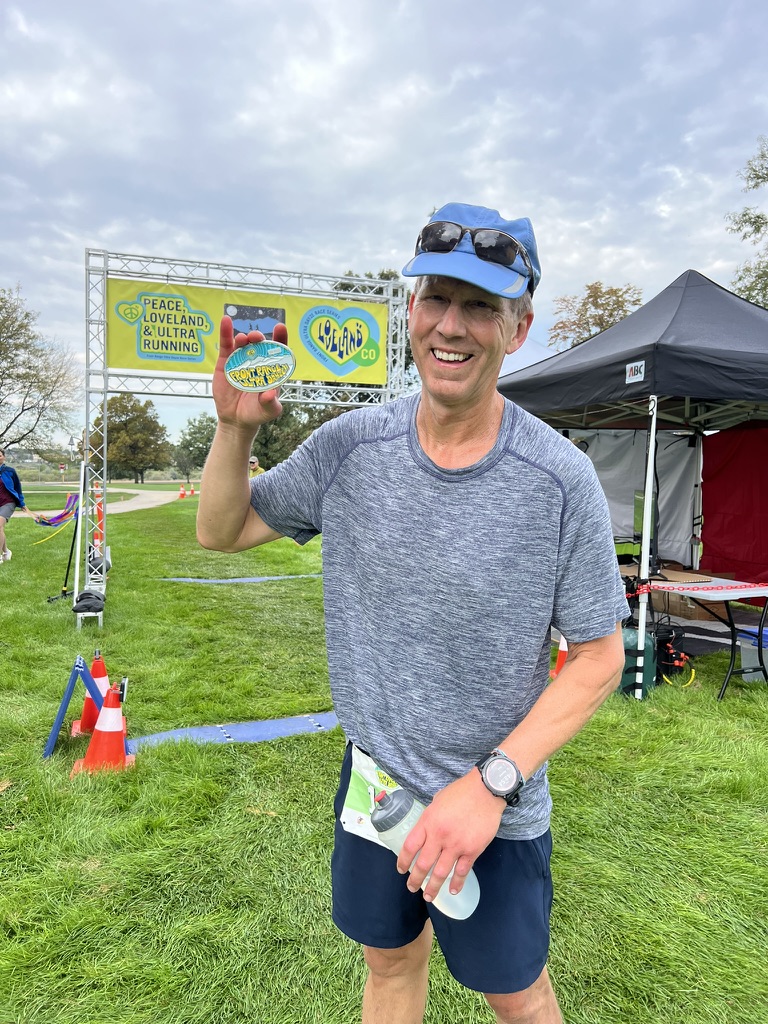
Why do I sign up for these things? In this case, my first 100-mile ultra-marathon event. I guess it was a combination of: a) inspiration from my earlier podcast guest who has run dozens of ultra-distance races, b) an inexplicable curiosity to see how well I could do and what it would feel like, and c) perhaps a bit of obligation as your podcast host to practice what I preach. So there I found myself, at the starting line of the Front Range Ultra Dayze (FRUD) event in Loveland, Colorado with my sneakers laced tight and my bib #144 pinned to my front.
The FRUD race is hosted by a nutrition products and race organizing company called Ultraverse, and its format is perfect for anyone looking to try their hand (feet) at an ultra-run event. Why? For several reasons. First, there are lots of options you can choose over the 4-day FRUD event. You can choose a time-based race, with options including a 12-hour, 24-hour, 48, 72, or 100-hour time limit. Within that chosen period, you just cover as many miles as you can, or want. There are also distance-based options, including 50k, 100 miles (which was my chosen event), or 200 miles. Depending on the event you choose, there are starting-time options on Thursday, Friday, and/or Saturday morning of the 4-day event.
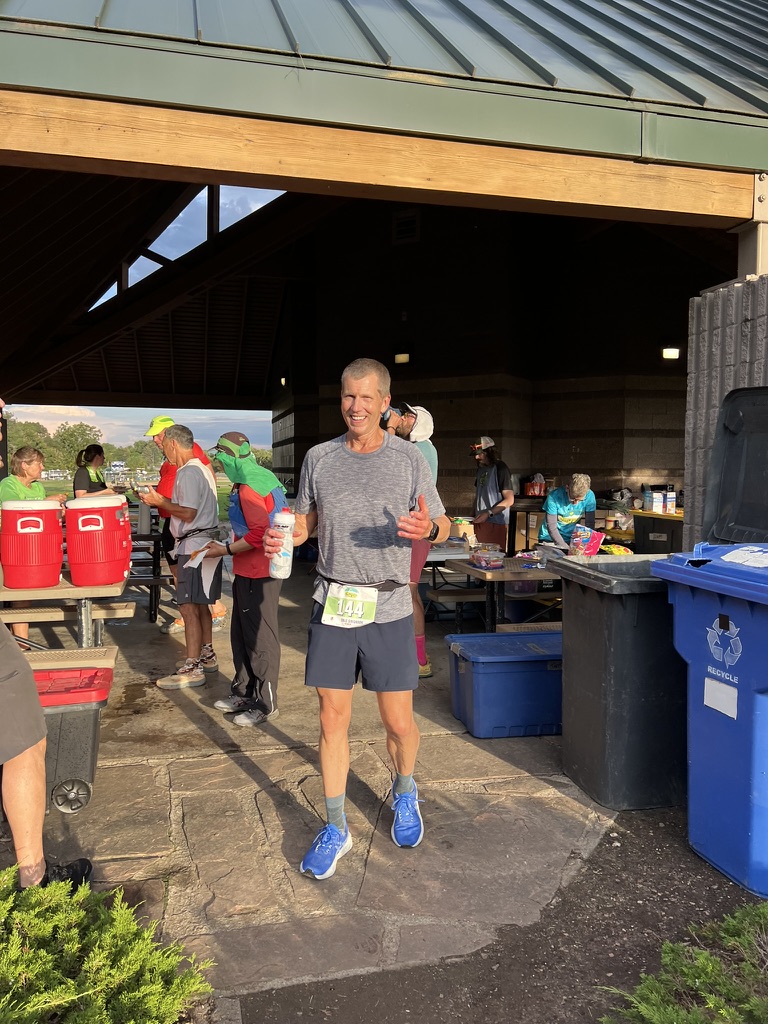
The course is a 2-mile figure-8 loop with an aid station at the start/finish line. So my 100-miler consisted of 50 laps. About 1/4 mile of the course has 2-way traffic with some runners outbound from the aid station and others inbound. Although doing 50 laps might sound dull from a scenery perspective (it was), I liked it for the social aspects. Throughout the race, I had multiple (sometimes dozens) of encounters with every other runner, whether they were passing me or I was passing them. And often, we’d run together and chat for a mile or two.
It provided a great way to meet some fascinating (and very inspiring) people and gave me a deeper appreciation for the oft talked about camaraderie of the ultra-running community. I was amazed at the diversity of people… old and young, fast and slow, fit and visibly not so fit… A huge takeaway for me was the confirmation that pretty much ANYBODY can do a 100-miler despite the conventional thinking of most people.
There were participants who used up most of the 4 days to knock out their 100 miles. Think about it. It’s the equivalent of a slow walk-in-the-park pace of 2 mph, still leaving plenty of time to drive off to a restaurant for dinner and get a solid 8 hours of sleep every night. And that’s how some people did it. Others are fast, never stopping for more than a minute to refill a water bottle and grab food with each lap by the aid station.
And then there are the older folks. So impressive. So inspiring. Ed at age 74 who is working to complete the epic 100 100-mile races in his lifetime. He does about 10 of these events each year and just has a couple dozen more to go. And Bobby at age 76 who completed 204 miles during his 100-hour event. He wasn’t fast, but he was a machine that just never stopped. Talk about fit.
THAT’S WHAT I WANT TO BE LIKE AT THAT AGE!!! Don’t we all?
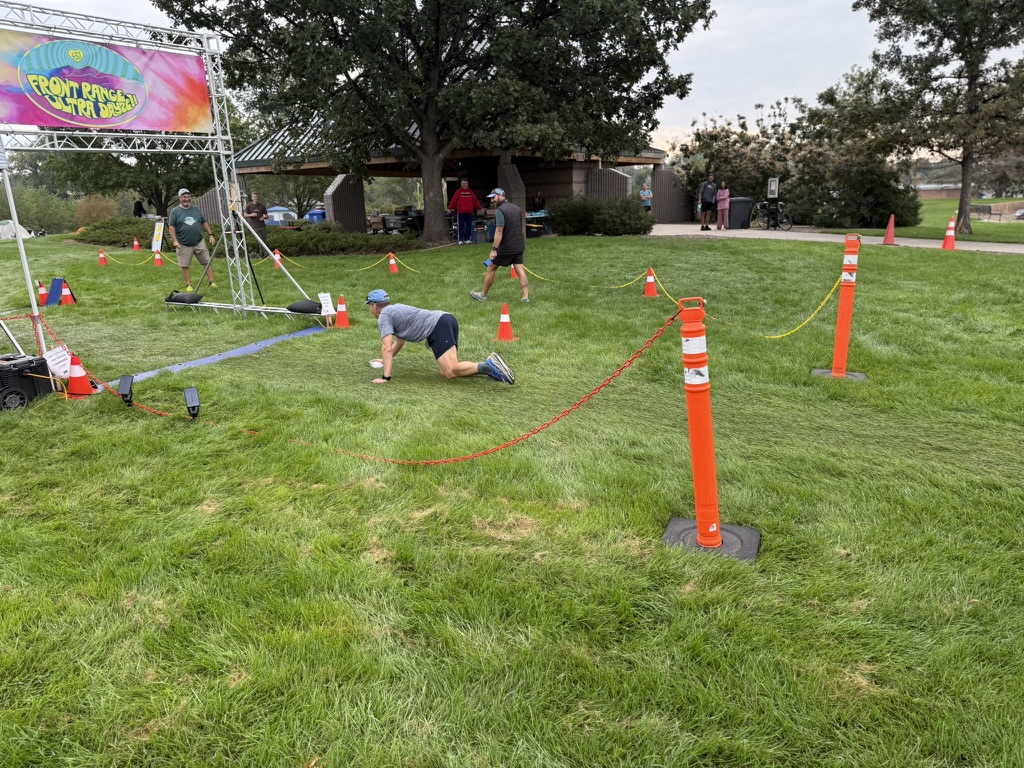
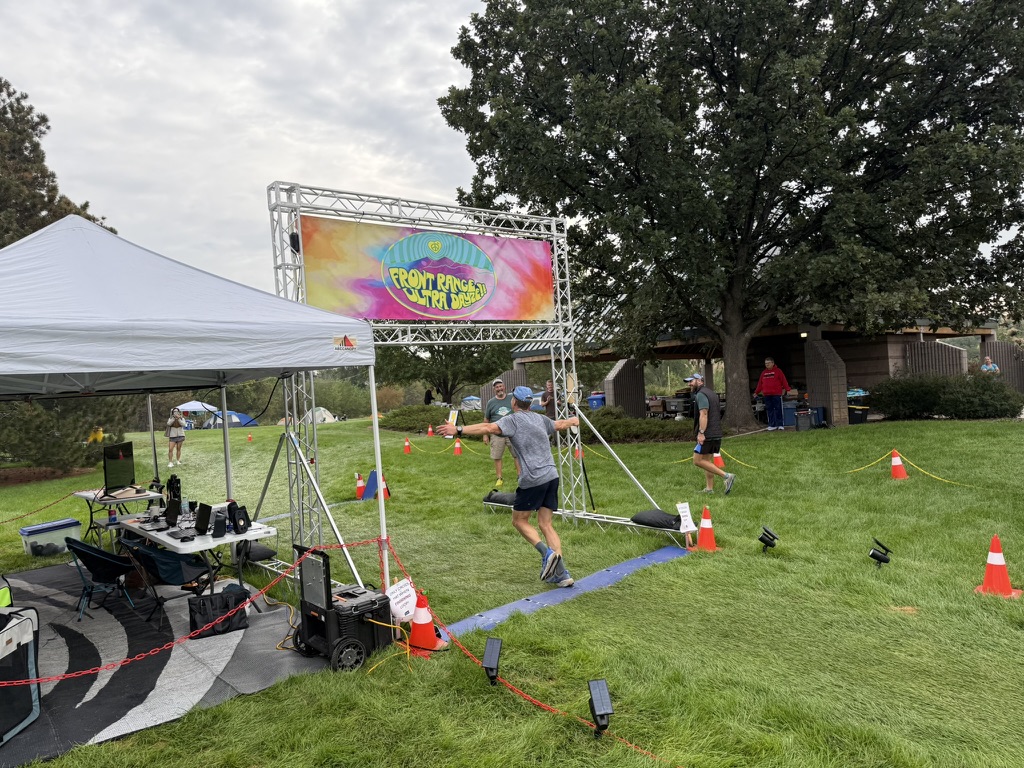
The race was small, simple, and generated almost a family-like feeling and spirit by the end as everyone supported and cheered on everyone else. And the volunteers managing the aid station were fantastic, working 24/7 to provide dozens of different types of snacks and hot-cooked breakfasts and dinners for the racers each day. It was so well supplied, in fact, that there’s a risk people might sign up, pay the race fee, and just sit in the aid station to gorge on the great food for 4 days!!!
So how did it go for me? Well, I finished in 22 hrs and 48 minutes which was a fair bit faster than my uneducated target of a sub-24 hour time. I ran (slowly) about 70% of the time, and walked the remaining 30%, much of which was in the last 20 miles. Unlike many participants, my M.O. is to never stop. If I stopped at the aid station for just 5 minutes each loop, I would consume over 4 hours with no forward progress. Plus, it’s hard to get going again if you sit down after 60 miles of running. Better to just stay in motion.
With such a slow pace (average of just over 13 minutes/mile), my heart rate generally stayed in the 120-140 range and my pace only slowed marginally in the second half. Everything felt achy by about mile 50, but never really got worse after that and nothing totally broke down like a sore joint or pulled muscle.
Advice to Others:
My main point is, a 100-miler is only as difficult as the pace you choose. Go slow and take generous breaks to eat and rest properly and I’d venture a guess that most people can accomplish it in 50 hours or less with not much training. Yes, your legs will be sore, but not extremely so. Or take longer. It’s really all in the pacing.
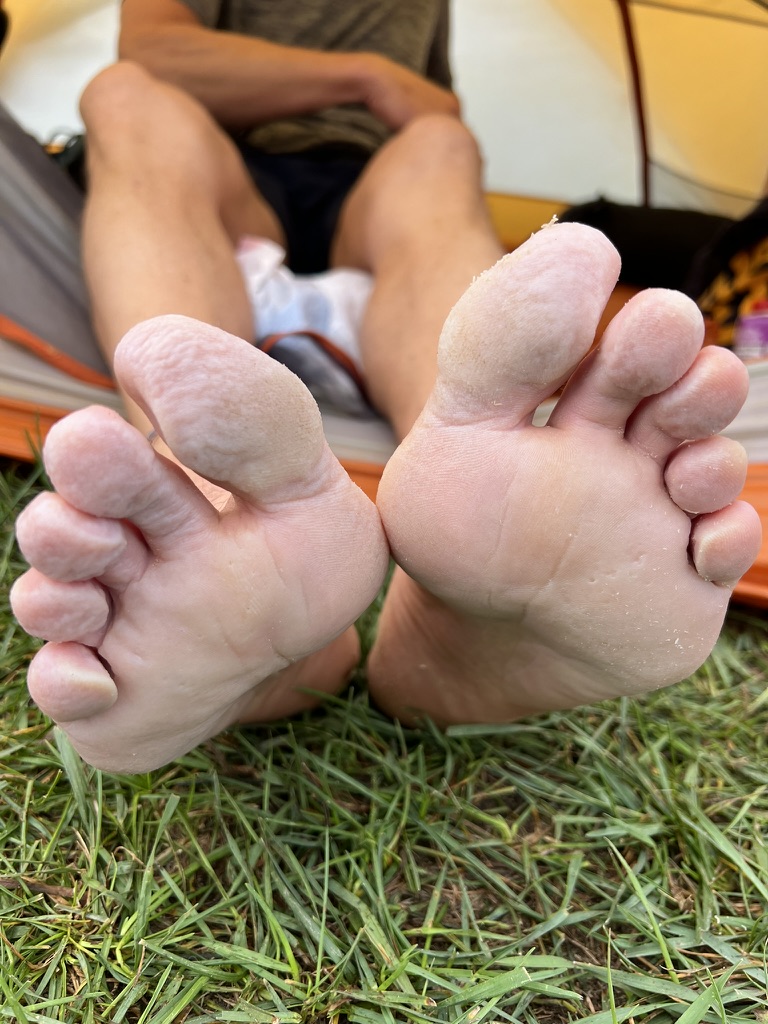
If you’re as curios as I was, jump right into a 100-miler. Or maybe best to try a shorter version and work your way up. It’s more of a personality choice than a physical constraint. But either way, do a bit of research and talk to others for advice. It will make your experience better. For example, choose an event that has a format appealing to you (long/short, hilly/flat, hot/cold…), think through your nutrition plan (you burn a lot of calories doing 100 miles), and have proper gear (comfortable shoes, double layer of socks, and a change of both shoes and socks). Surprisingly, I had not a single blister.
Most importantly, go in with an open mind and enjoy the experience and the people!
Note you can find lots of race options and details on the website ultrasignup.com.