My Adventure: by Meghan Cosgrove and Pals
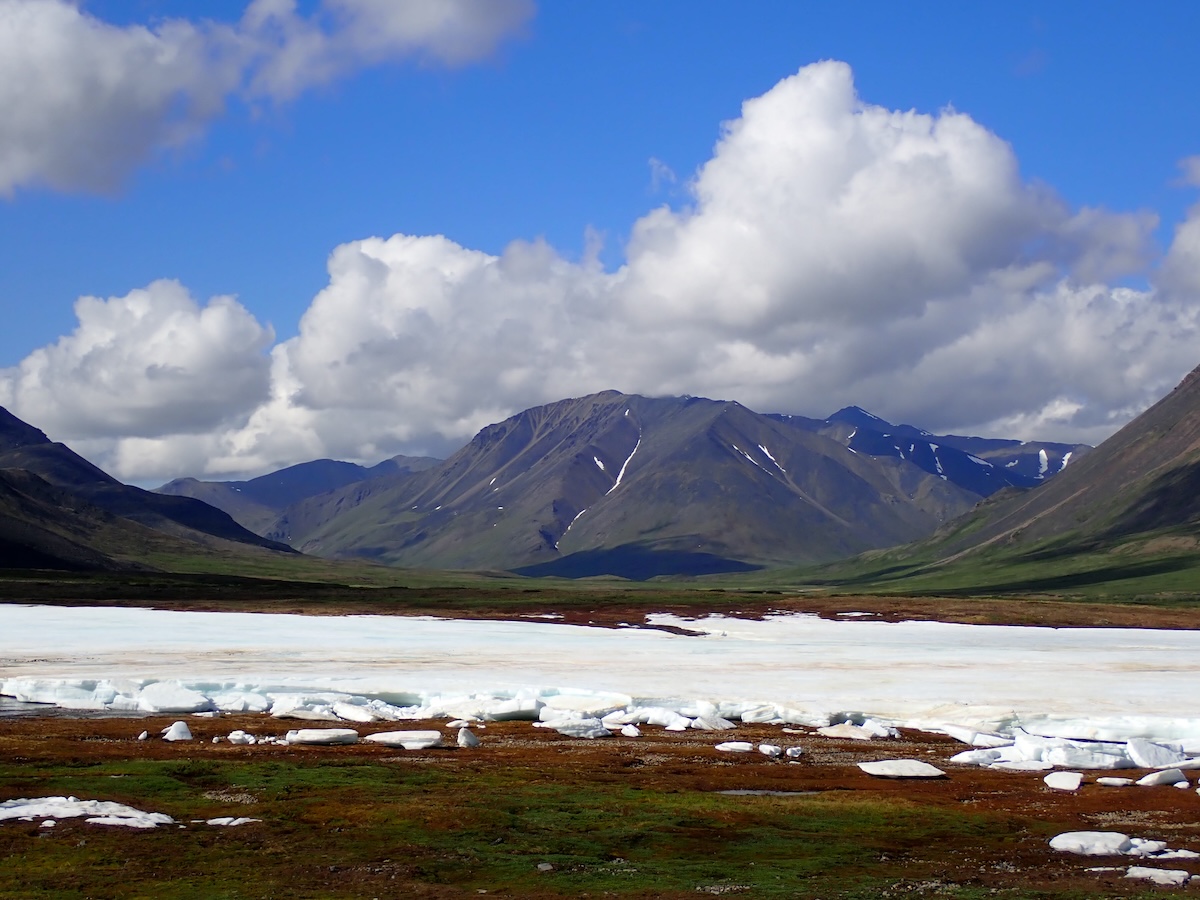
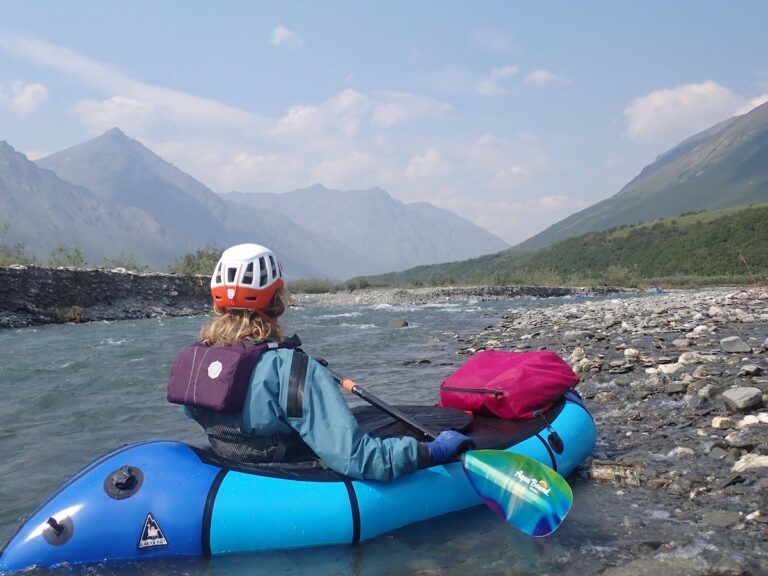
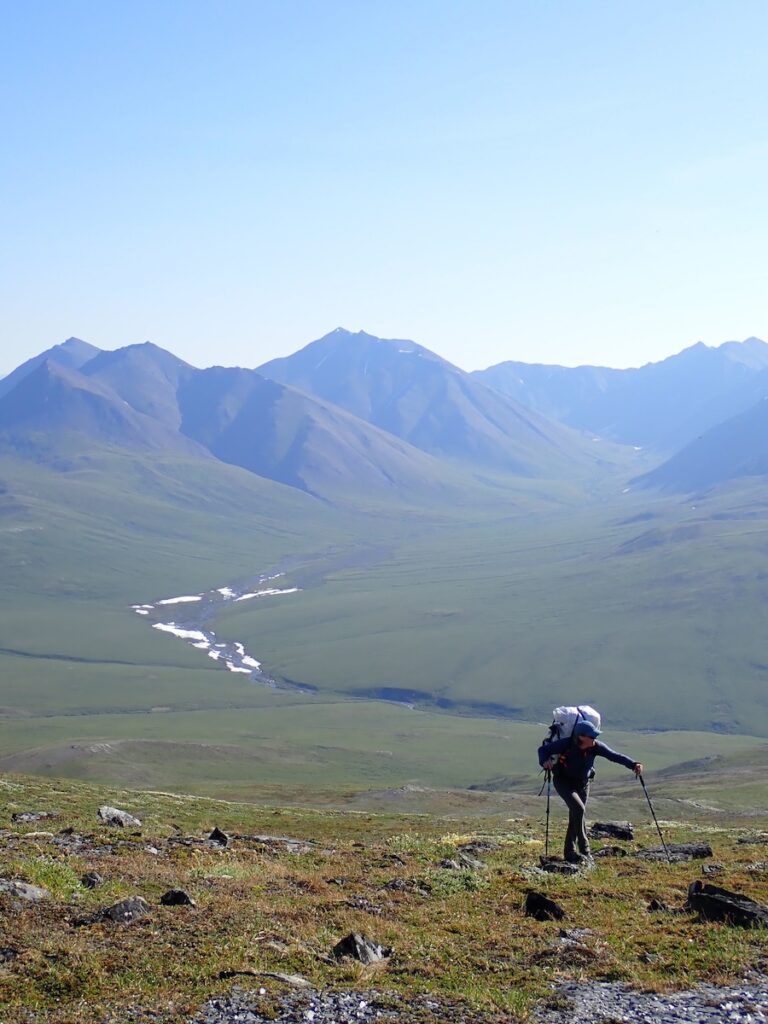
The Brooks Range in Arctic Alaska is one of the most remote and wild places in the world. Some of the clearest and coldest rivers flow in the valleys under prominent mountain complexes and ridges. Here are some photos and reflections from our month-long backpacking and packrafting traverse of the Western Brooks Range.
Preparation started for our trip nearly a year before we boarded our flights to Alaska from around the US. We engaged our bush pilots and developed a route from Anaktuvuk Pass to Ambler Village, including about 300 miles of off-trail travel afoot and afloat.
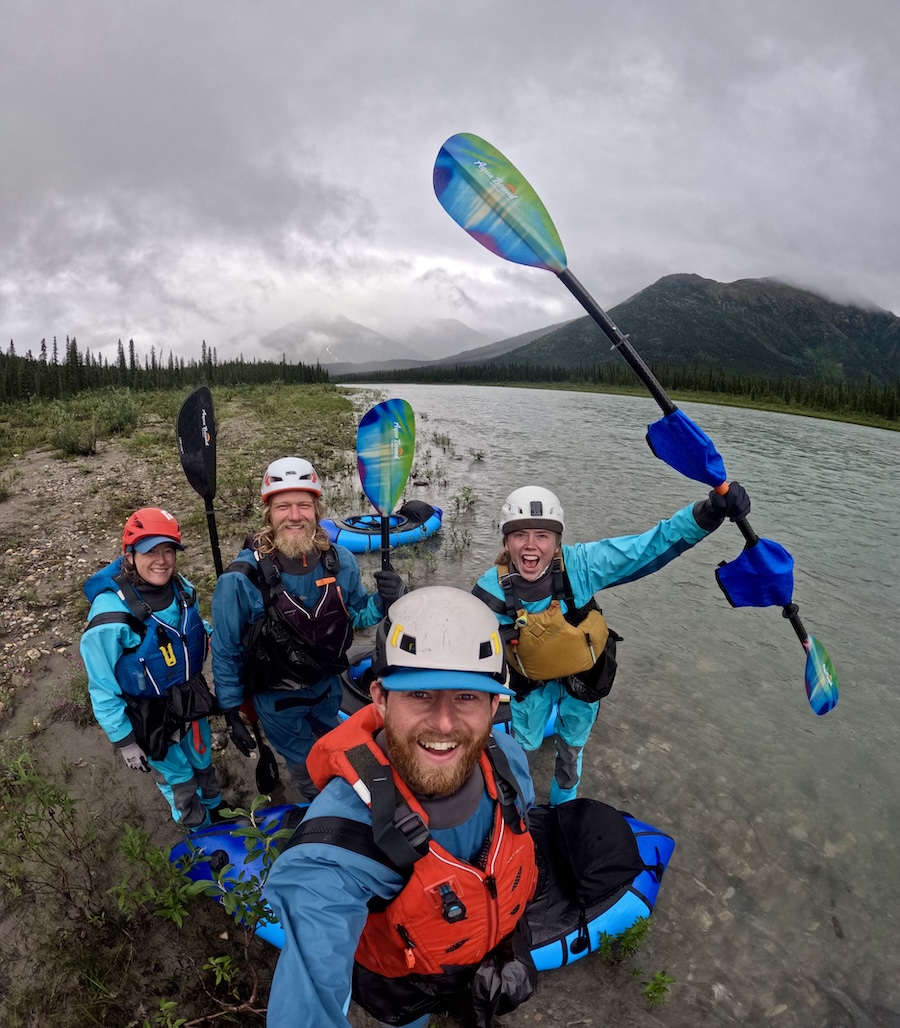
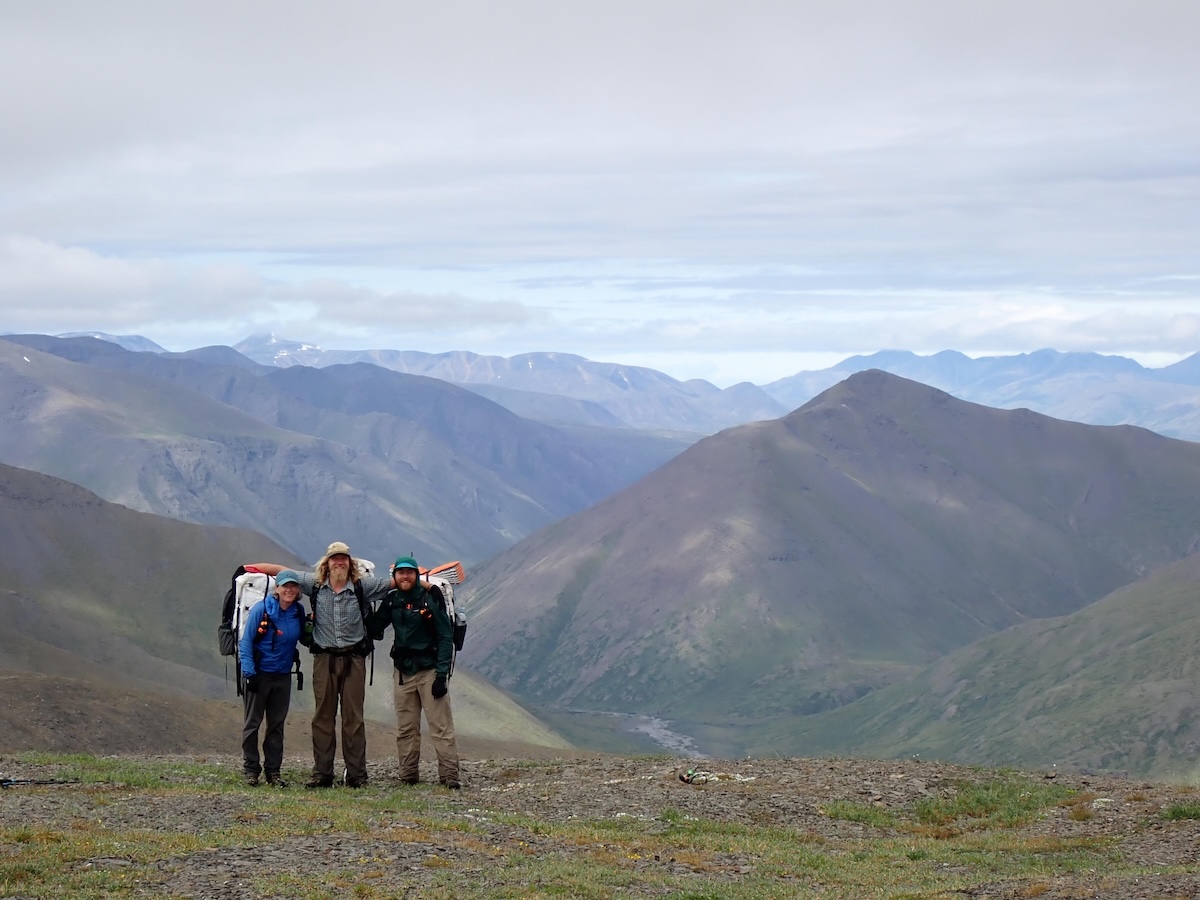
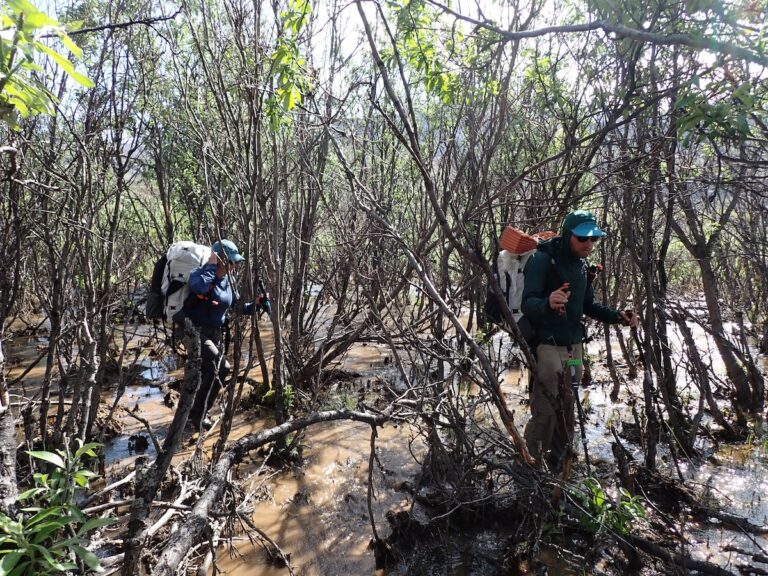
We backpacked for 16 days and paddled for 14, traveling across marshy tundra, beautiful gravel river beds, and exposed mountain ridges, paddling sections of the Alatna, Noatak, and Ambler Rivers, and connecting them over multi-day mountain passes.
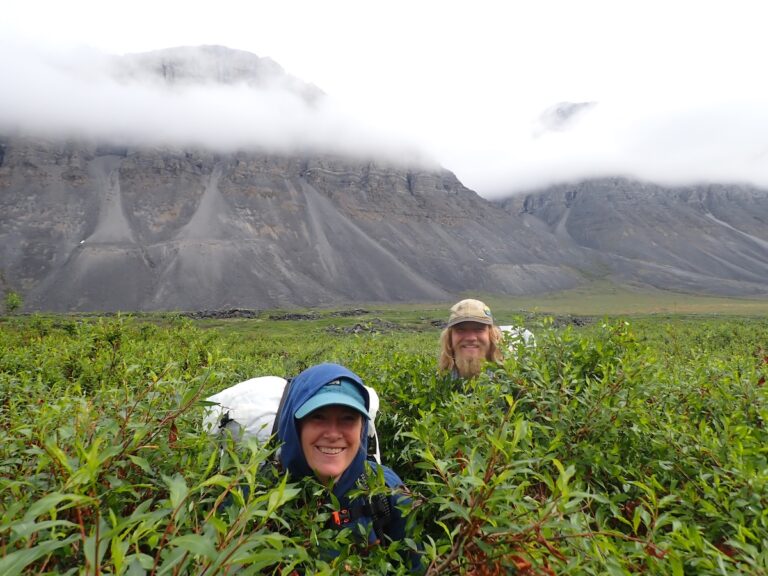
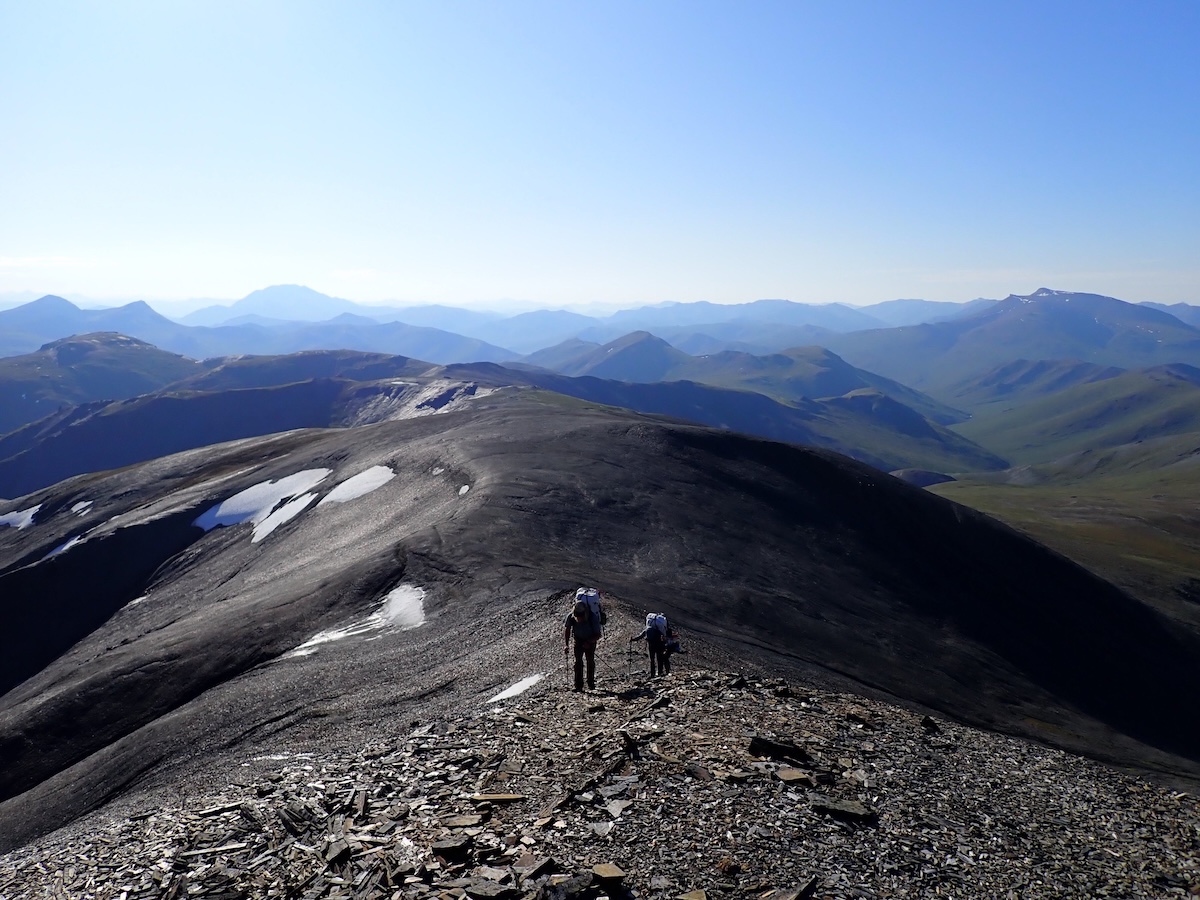
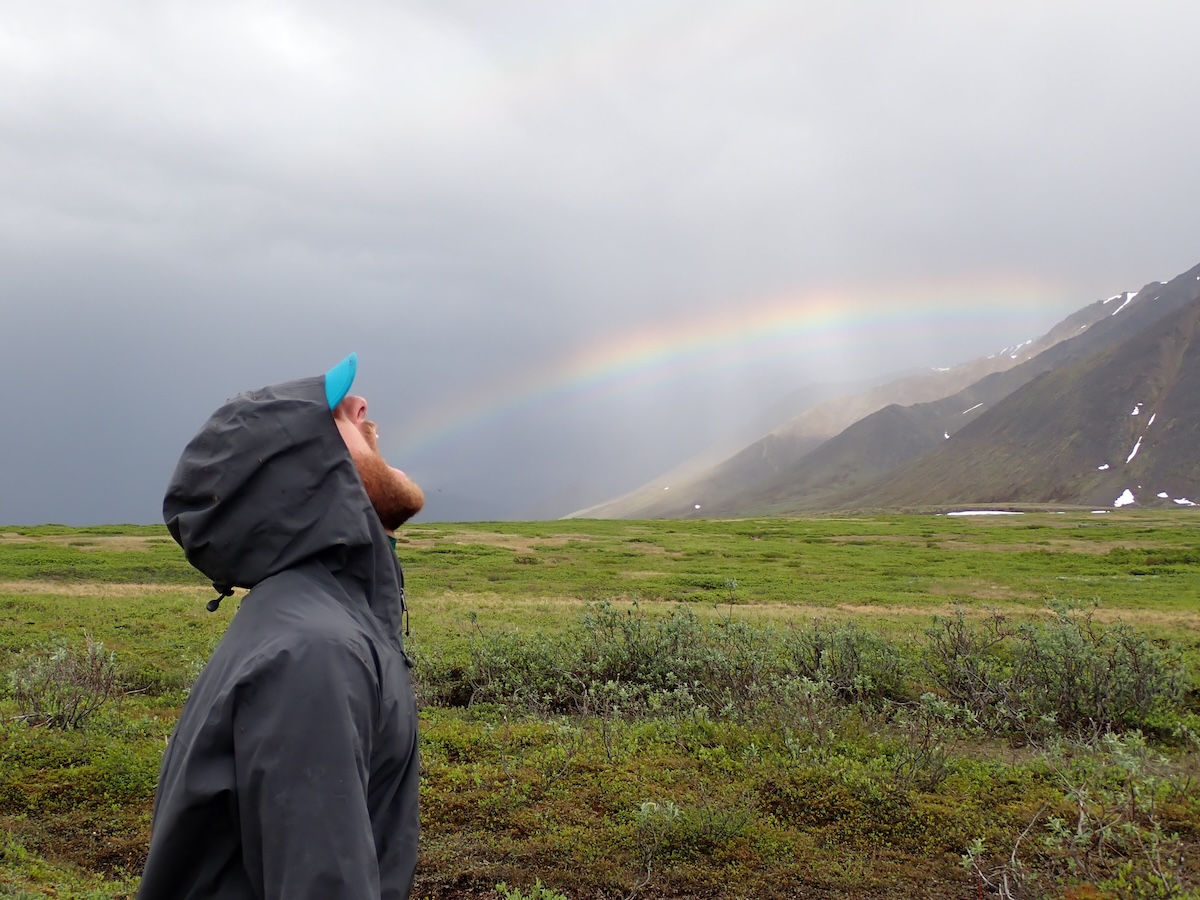
Over the course of the 30-day expedition, we ate homemade dehydrated meals like coconut curry, chili mac and cheese, and breakfast for dinner with eggs, bacon and hashbrowns. We experienced 80 degrees and sun and 20 degrees and snow within a 4 day period. Weather volatility like this is becoming increasingly common in the Arctic.
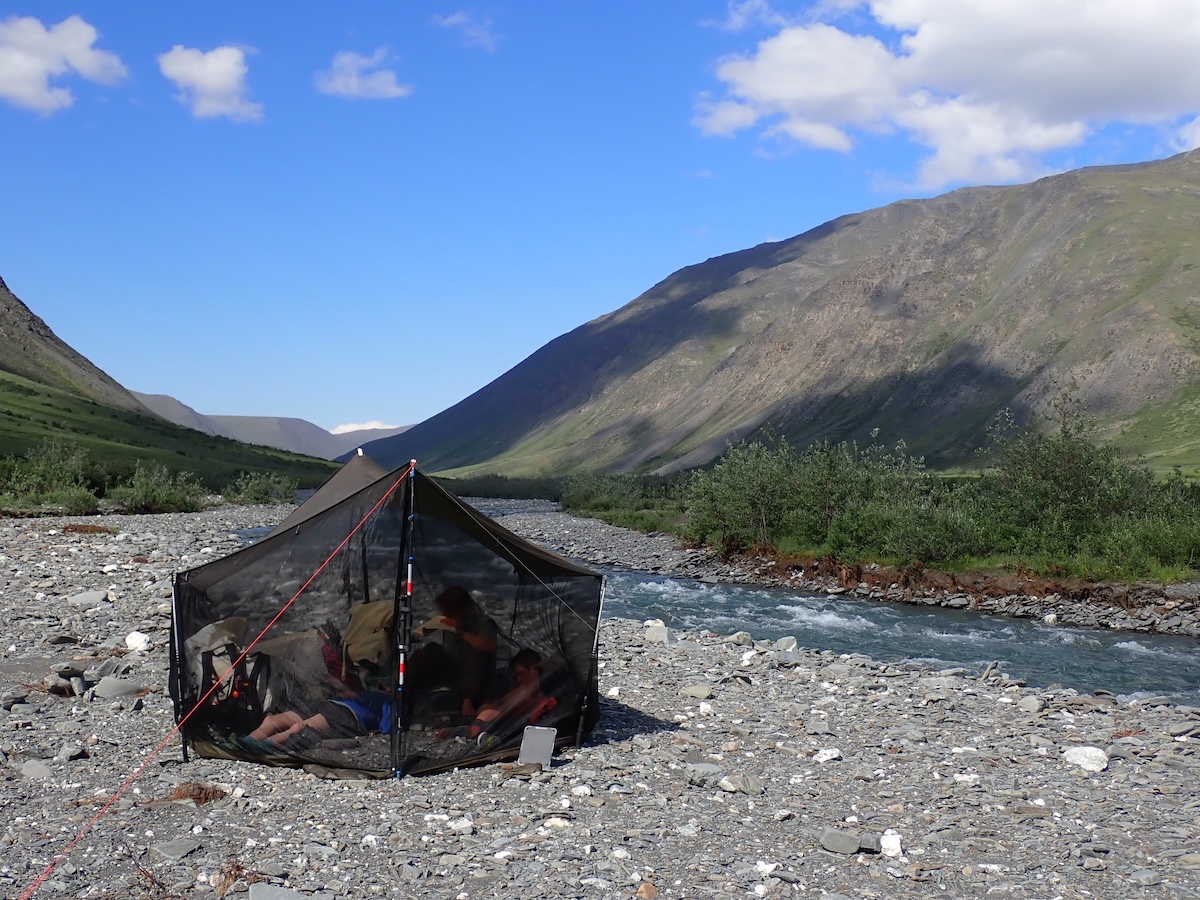
We enjoyed blissful, breezy days with no mosquitoes in sight, and other days when any skin exposed to the buggy environment was ill-advised. Our mesh bug tent was our kitchen, library, study, game room, and more.
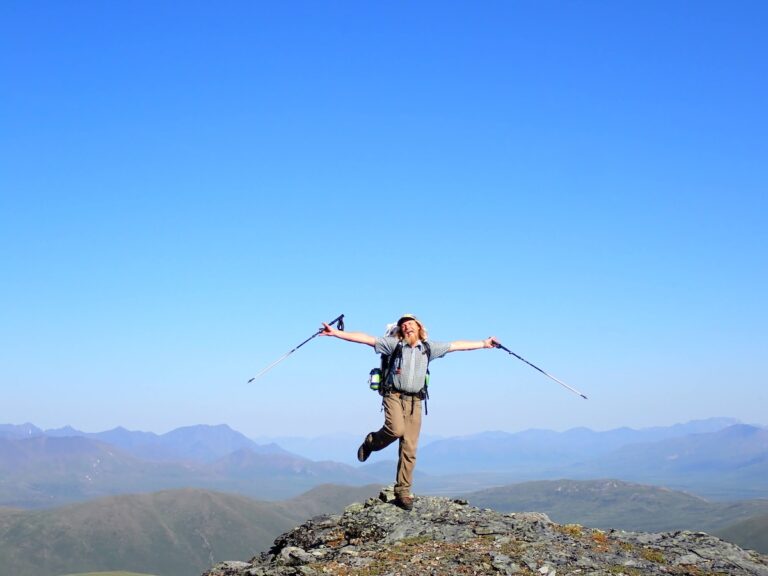
Backpacking provided us with a physical challenge and a calming rhythm: we wake, eat, drink coffee, poop, pack, walk, and then settle into our new home once again, sometimes just a few miles down the same valley we started, or often in an entirely different complex of mountains. The consistency and familiarity of foot travel afforded us the ability to push our bodies hard and travel far, sometimes spending 10-12 hours in a day walking through the mountains.
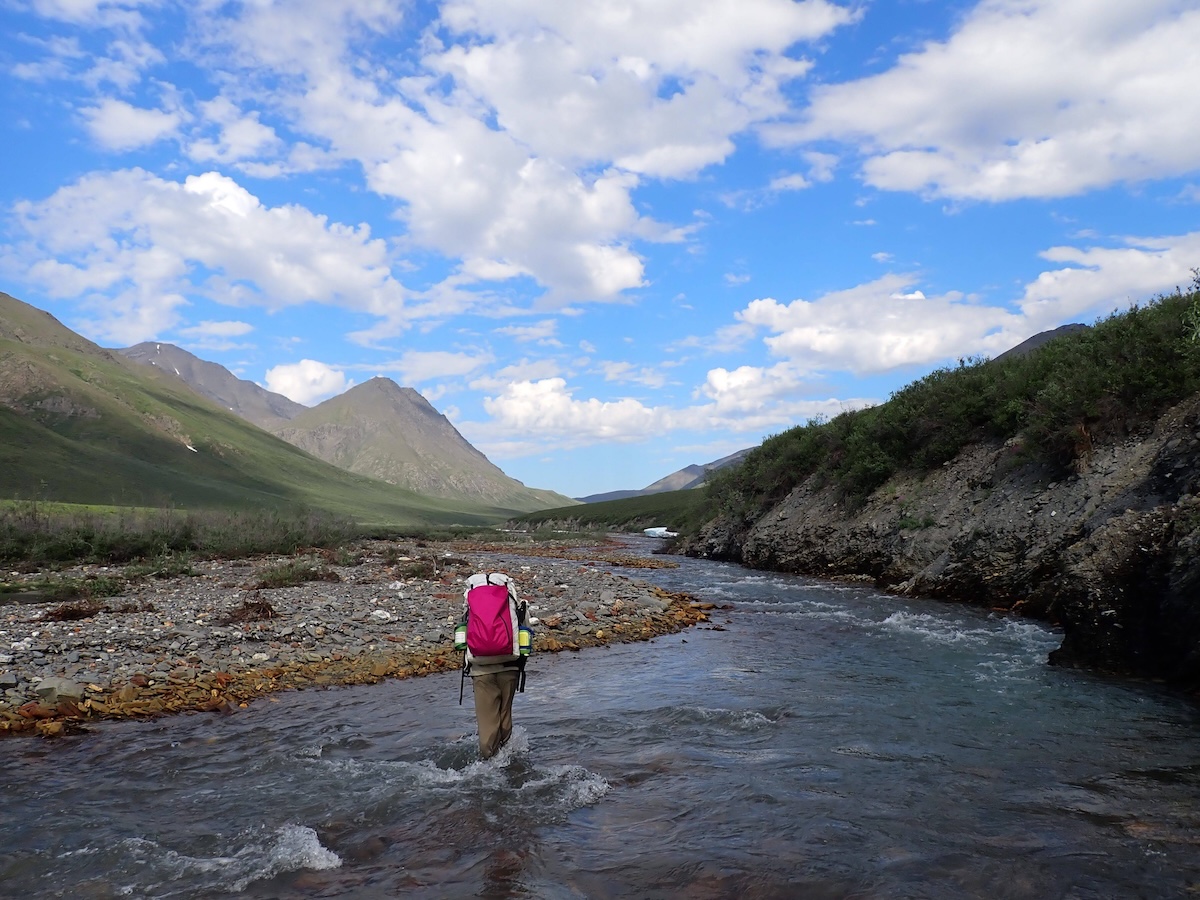
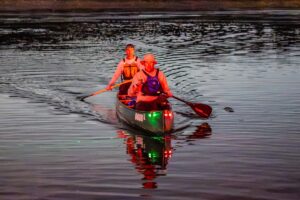
Each day of packrafting provided a different set of challenges and questions. Should we even put the boats in the water today? Are water levels high enough? What hazards are visible (and invisible)? Is that rapid really class II, or is it class III and was rated by some highly skilled whitewater demon? Is my boat packed well, or do I have any pinch points that might sink me?
As the trip came to a close and we paddled down to Ambler Village, the Ambler’s flow slowed to a crawl and we began to reflect on our journey: tremendous physical challenge, every category of weather, beautiful terrain and wildlife, and the opportunity to traverse one of the most special mountain ranges Alaska has to offer.
Advice to Others:
Do your research on the place you are traveling through
The North American Arctic is warming faster and is more impacted by climate change than any other region on the planet. Arctic Indigenous communities that have historically relied on hunting and sustained themselves from an incredibly fragile ecosystem. They have lost so much at the hands of a warming climate, extractive mining and drilling, and commercialization.
Read about the places you are traveling. Do the work to learn about the native people who have lived there for thousands of years, and don’t forget that you are recreating in a place that has sustained so many communities for so long. This context will provide you with a more complete perspective during your trip. Respect the land, water, wildlife, and people of the Arctic.
Gather information from your pilots or other people you meet along the way, and don’t be afraid to reach out to people who have traveled in the Brooks Range before for advice. Nothing beats local knowledge and experience compared to some blog post or podcast you found on the internet.
Know your equipment well, take care of it, and be prepared to break, and fix everything
The rugged, challenging terrain of the Brooks Range will break you down if you are not prepared for it, and it will probably break you down if you are prepared, too. The same goes for your gear. Even the most proven backpack materials or the most abrasion-resistent packraft sidewalls might not hold up against the elements of the Brooks Range.
As you prepare for your trip, build up a robust repair kit, including enough materials for equipment to break once, and then two more times. Learn how to use and fix your equipment, and care for it like your life depends on it!
Make a plan and don’t expect to follow it
The Arctic and its conditions will dictate when you can travel – it’s not up to you. We were delayed a day flying to our drop point in Anaktuvuk Pass, and two more days flying home out of Ambler Village. Make a plan, flesh out your logistics, and add plenty of contingency time in your trip. It’s good practice in risk management and especially important to be very adaptable in a region that does not operate like others.