


My Adventure: by Jess Gilkey
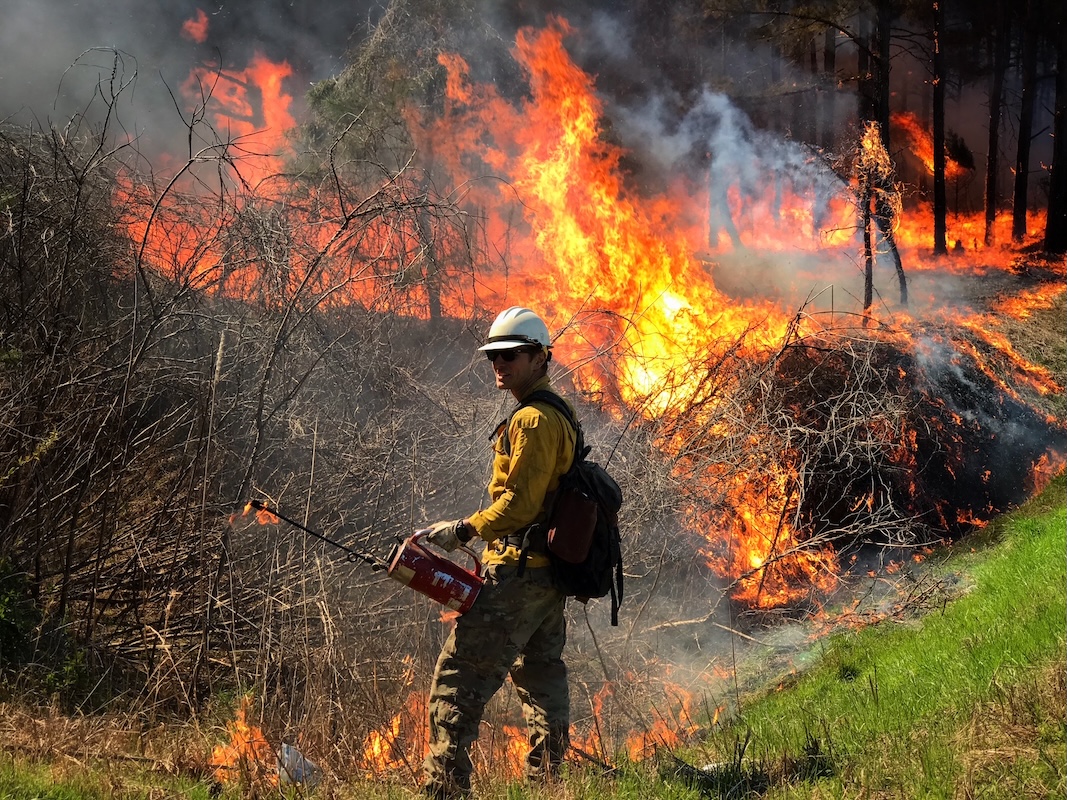
So what is a smokejumper anyway? To put it simply a smokejumper is a wildland firefighter who parachutes into remote fires to put them out. I spent 4 years as a jumper out of Washington and Idaho. I’m really barely qualified to talk on the subject as four years is just scratching the surface of this career and at the time I was mediocre at best at the job. Despite that I am overly passionate about the program and will talk anyone’s ear off about it who will listen. With that caveat out of the way I’ll tell you a little about the program.

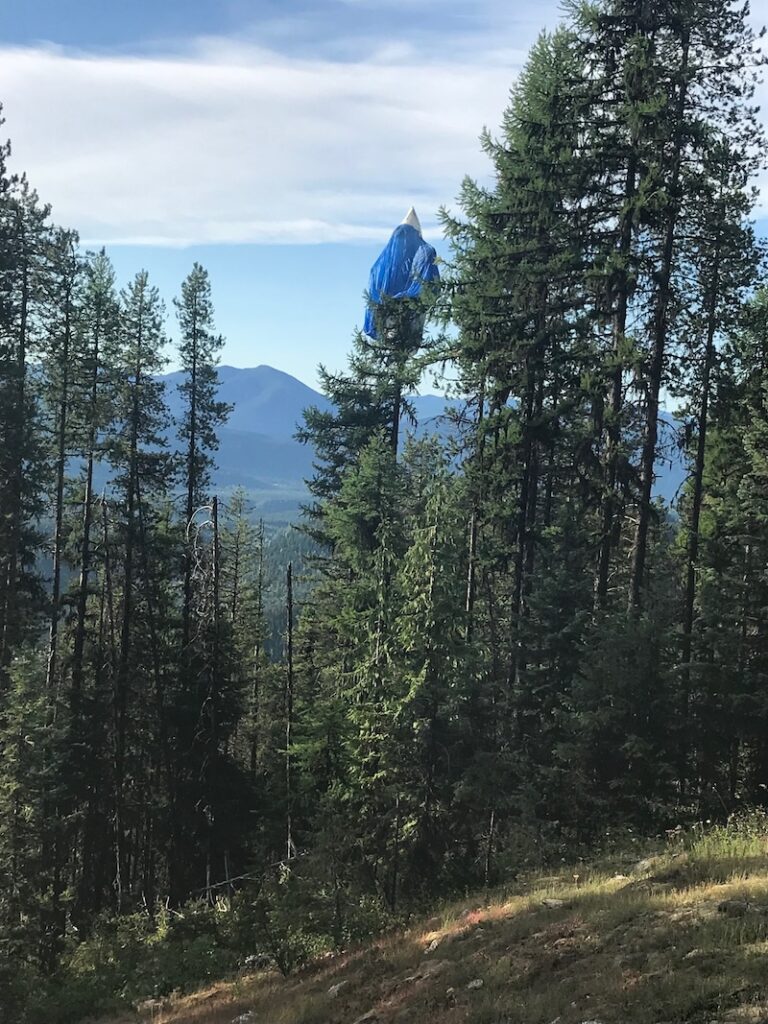
The smokejumper program began in 1939 in Winthrop WA with the first operational fire jump coming the next year. Since that time the program has grown to 9 bases throughout the American west and Alaska. There are approximately 400 smokejumpers spread between those bases. 7 bases are operated by the US Forest Service and 2 are operated by the Bureau of Land Management. Smokejumper candidates are typically seasoned wildland firefighters with several years of experience. Jumpers are hired as rookie candidates and go through rookie training at their respective bases. Rookie training is a grueling 5 to 6 week training program consisting of smokejumper specific training and constant physical challenge. Very little firefighting instruction is involved as candidates are expected to be competent firefighters already.
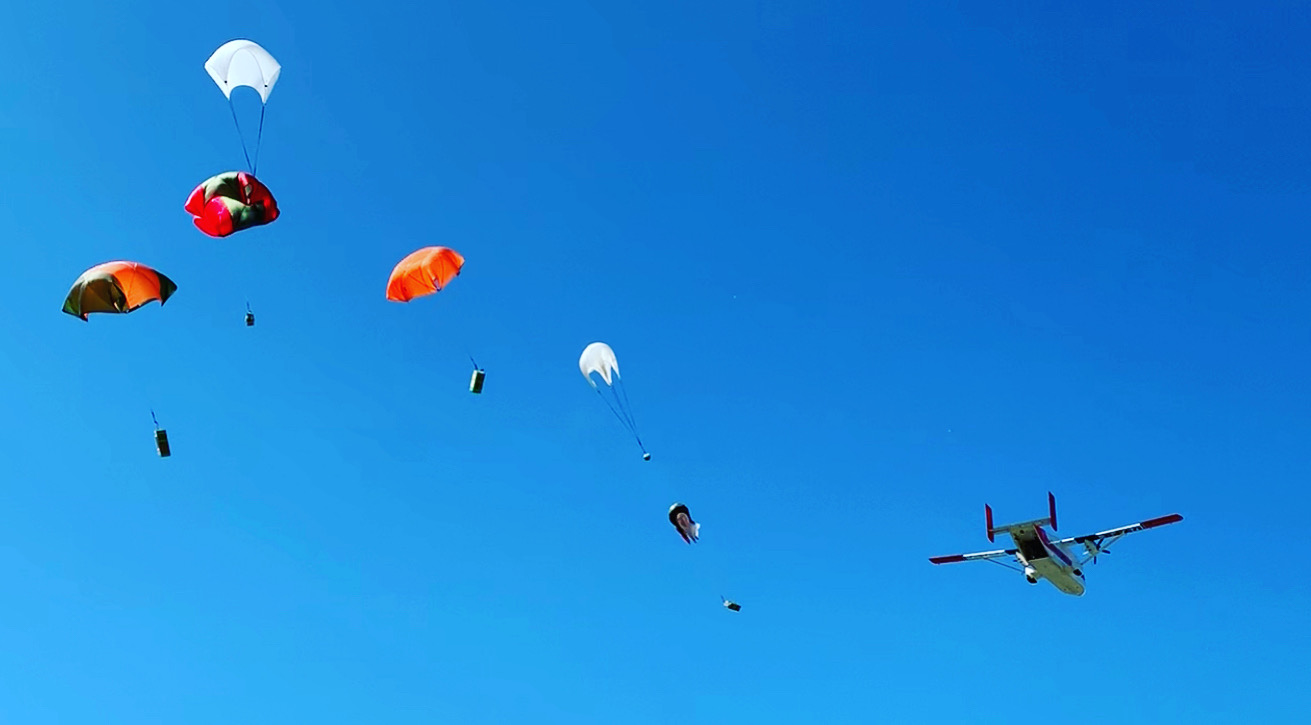
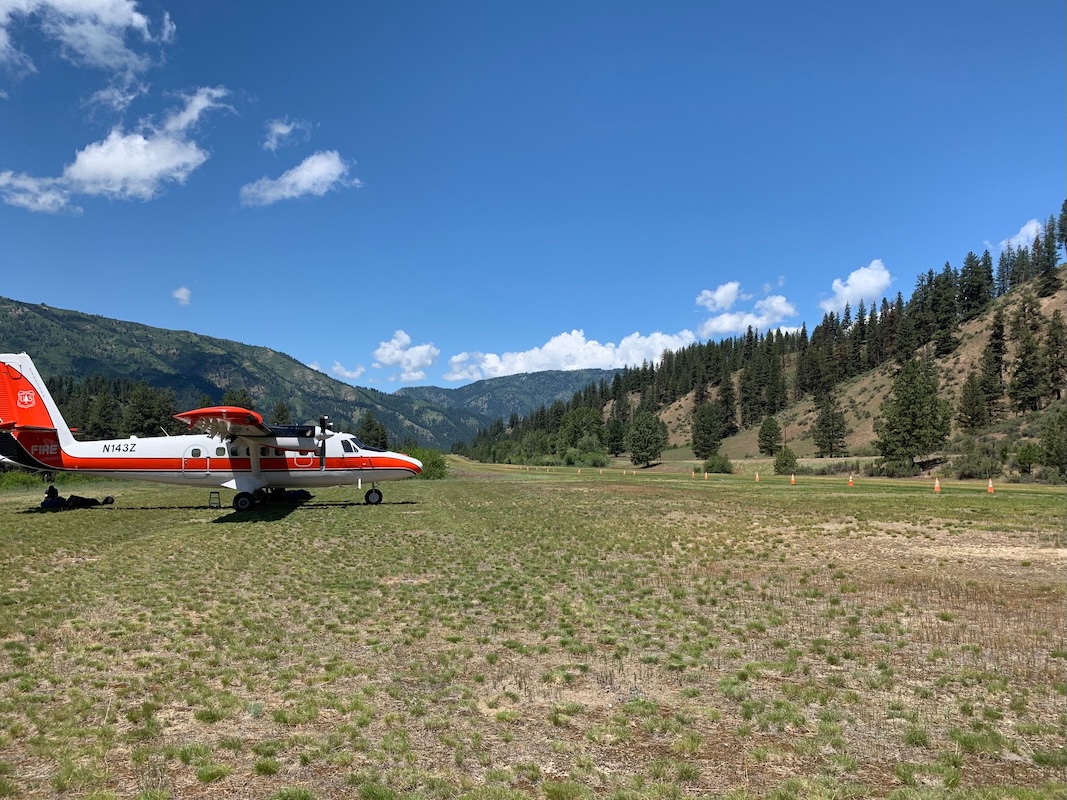
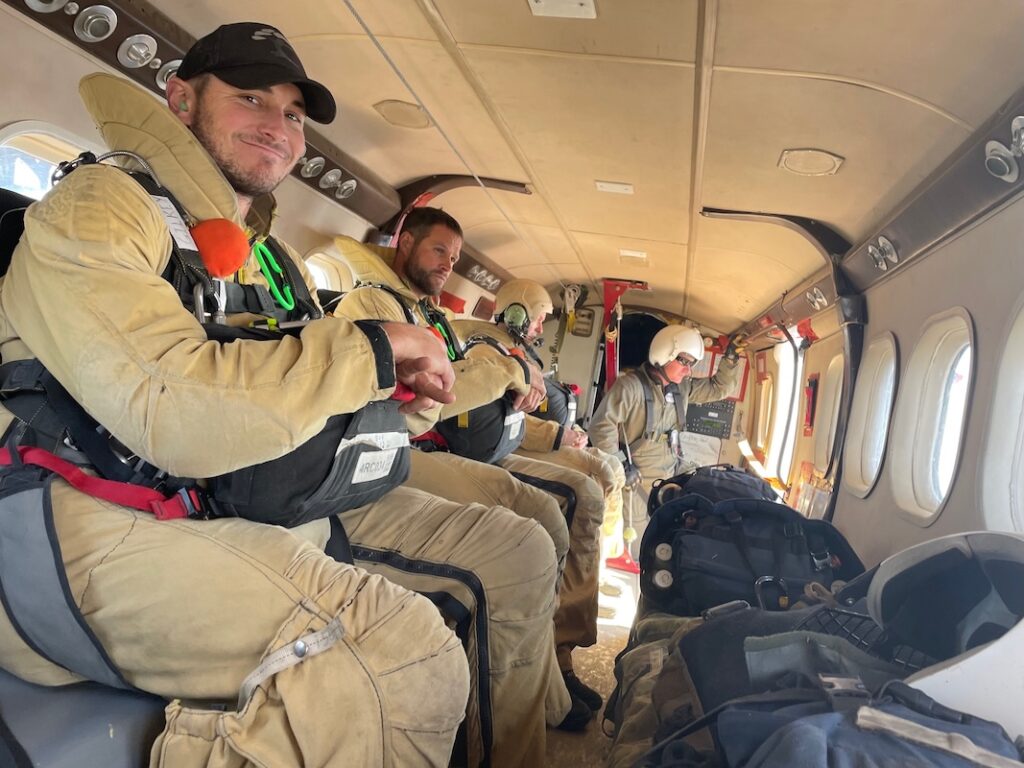
A typical fire assignment for a jumper will look something like this. The siren on base will go off alerting jumpers to a pending order. All jumpers will come to the ready room. The jumpers at the top of the “jump list” will suit up with their jump gear from a speed rack. They will get a buddy check from another jumper to make sure all their equipment is properly hooked up. Jumpers will then load the plane and begin flying to the fire. En route the spotter will give them known information about the fire, jumpers will program radios with local frequencies, attempt to download topographic maps of the expected area, and perform additional safety checks. Once the fire is located a rough plan will be made from the air as to how to contain the fire and what additional resources, if any, are needed. Then a jump spot will be selected. Spotters look for a safe jump spot near the fire and then throw paper streamers out of the plane to help jumpers make a flight plan.
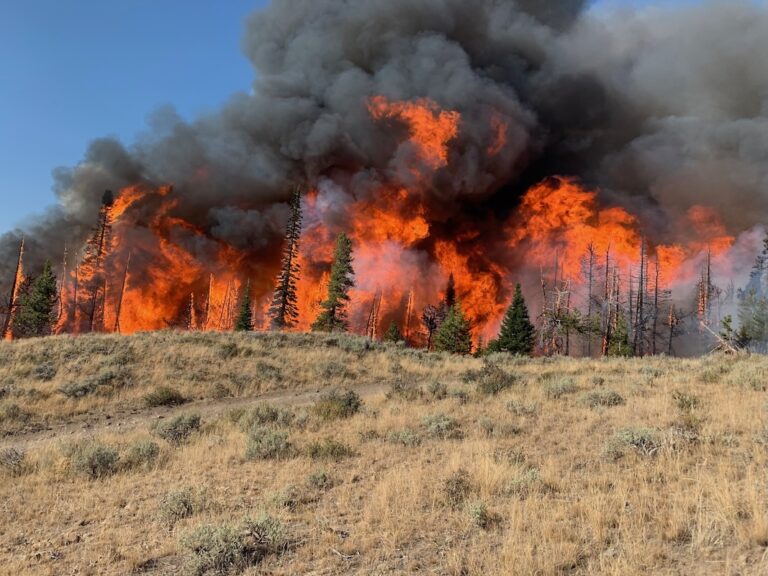
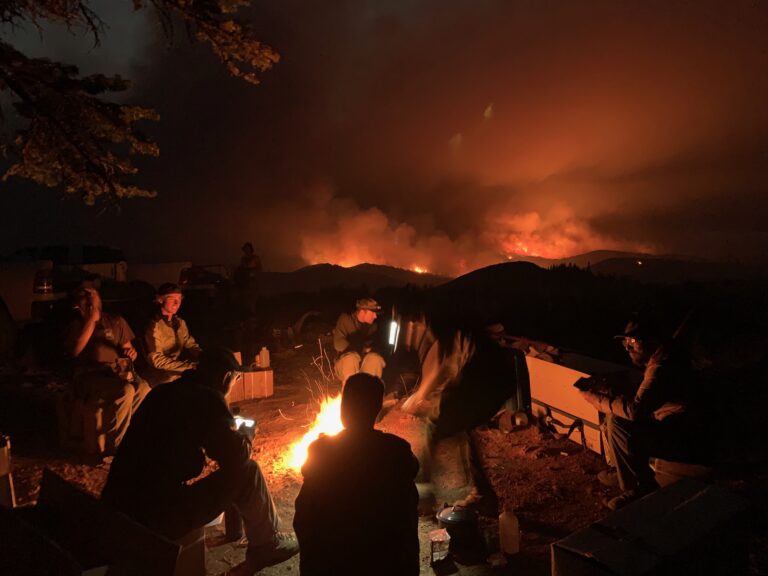
Once a jump spot is decided on jumpers will go into jump operations. Jumpers leave the plane at 3000 ft above ground level. A drogue chute is deployed by static line as they leave the plane and jumpers go through a short jump count before deploying their main parachute. Jumpers then fly their parachutes into what are sometimes very small clearings in the forest. Once all jumpers are on the ground safely the jump ship will make low passes dropping cargo. This cargo consists of firefighting tools (chainsaws and pulaskis), food (think MRE’s, Top Ramen, and Spam), drinking water, and sleeping bags. Anything else a jumper wants on a fire must be carried on his person when he jumps in. This is where the work begins. Cargo is collected and gear is stashed and the jumpers make their way to the fire edge. Using the tools dropped to them they remove all vegetation from the edge of the fire which prevents the fire from growing.
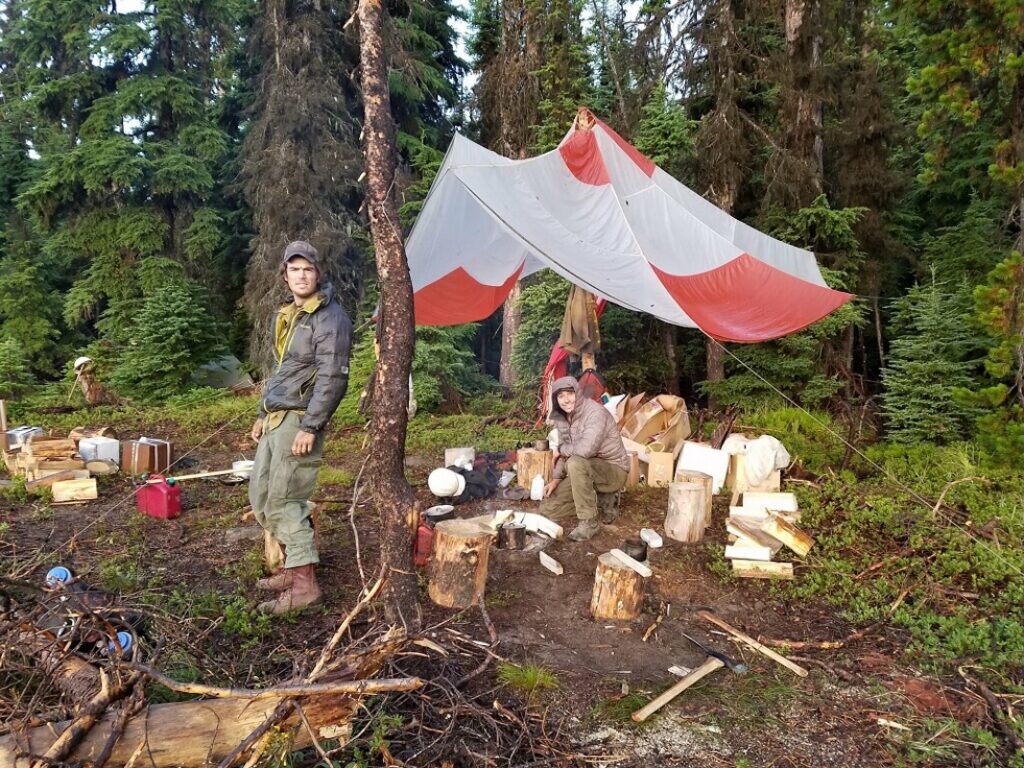
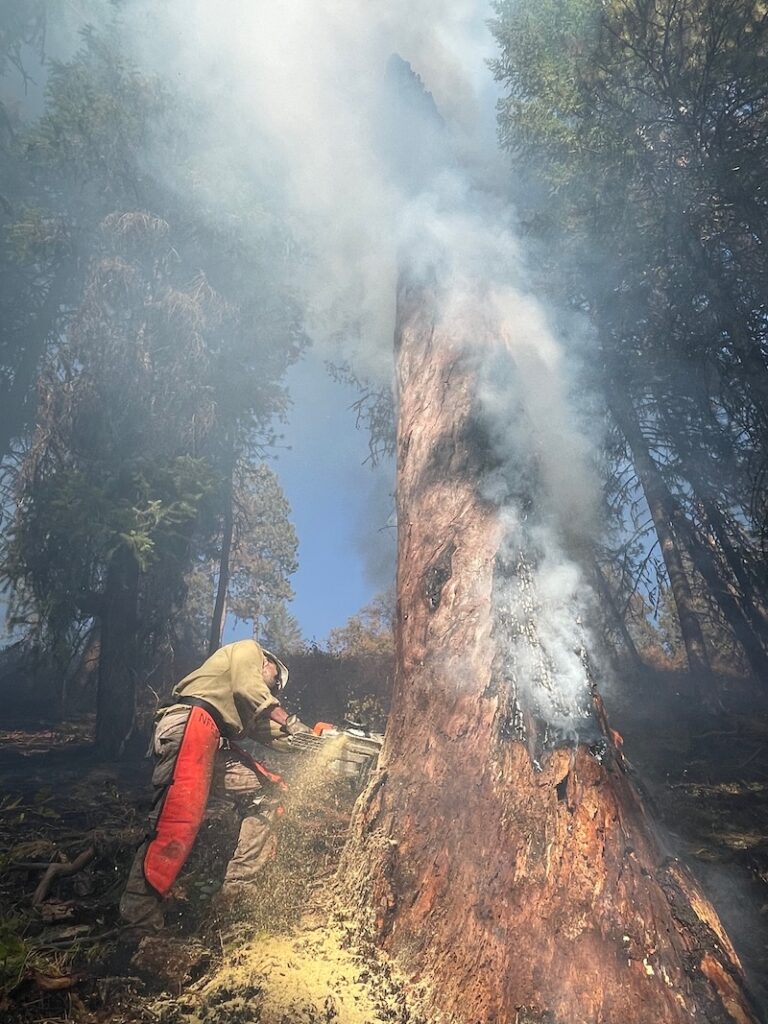
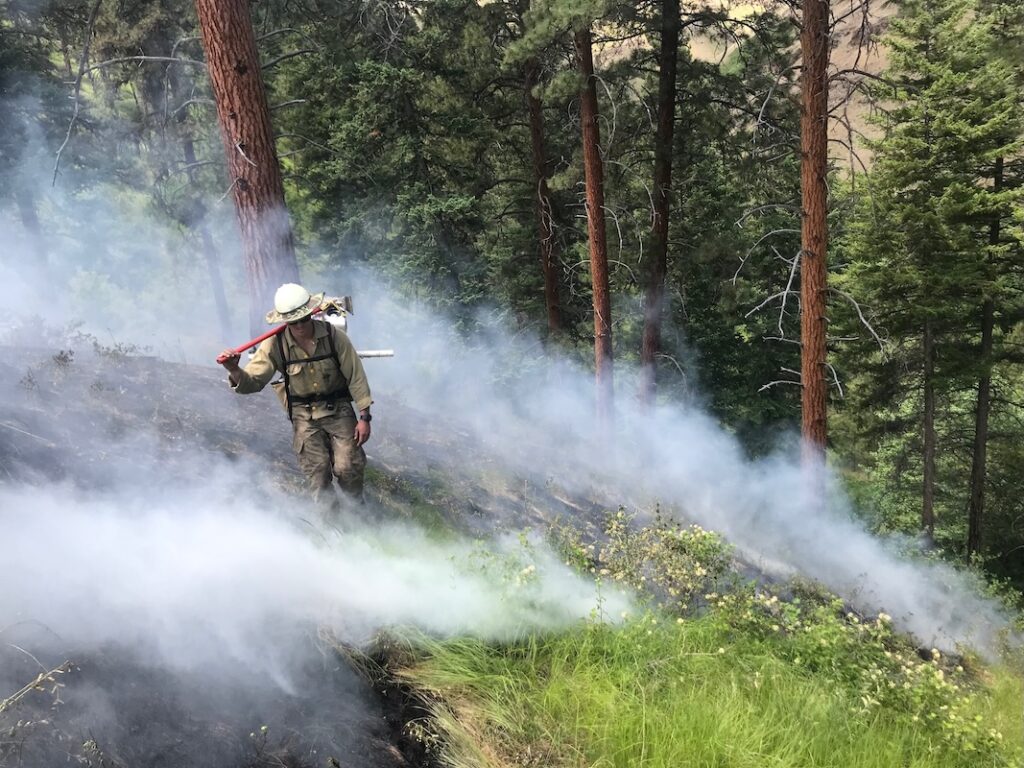
Once the fire is completely surrounded jumpers will begin “mop up”. This is the tedious process of making sure that fire doesn’t escape the established fire line. Firefighters will cut up burning trees, scrape hot coals out of stumps, and literally stir up dirt with smoldering embers to make sure everything is completely extinguished. Often times before leaving a fire jumpers will crawl through the entire burned area on hands and knees feeling every inch to make sure no heat remains. Once the fire is out cold jumpers will load all their gear (well over 100 pounds) and make their way out to a road, river, or hopefully somewhere close where a helicopter can pick them up. Obviously this is a very simplified version of what the job often consists of but I could go on for pages explaining various nuances that would only further bore anyone who actually read this far.
Advice to Others:
Jumping was one of the most rewarding experiences of my life that presented me with constant challenge and opportunity for growth. It also offered me the opportunity to work alongside the most impressive people I’ve ever met. Those people were then, and continue to be, a constant inspiration to me. For the right person this can be absolutely the best job in the world. I would encourage any young person who values physical and mental challenges, adventure, freedom, and spending time in nature to look into this career!