My Adventure: by Tim Bonython
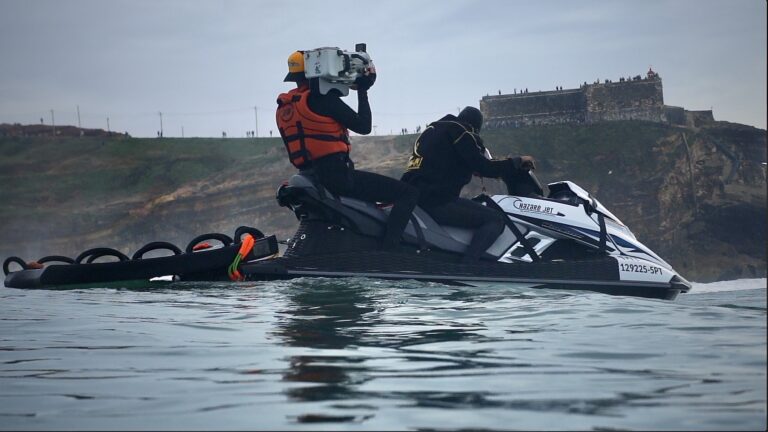
People often ask me what it’s like to film big-wave surfing. The short answer? It’s the best seat in the house, and sometimes the most dangerous.
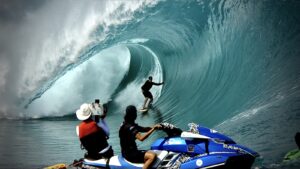
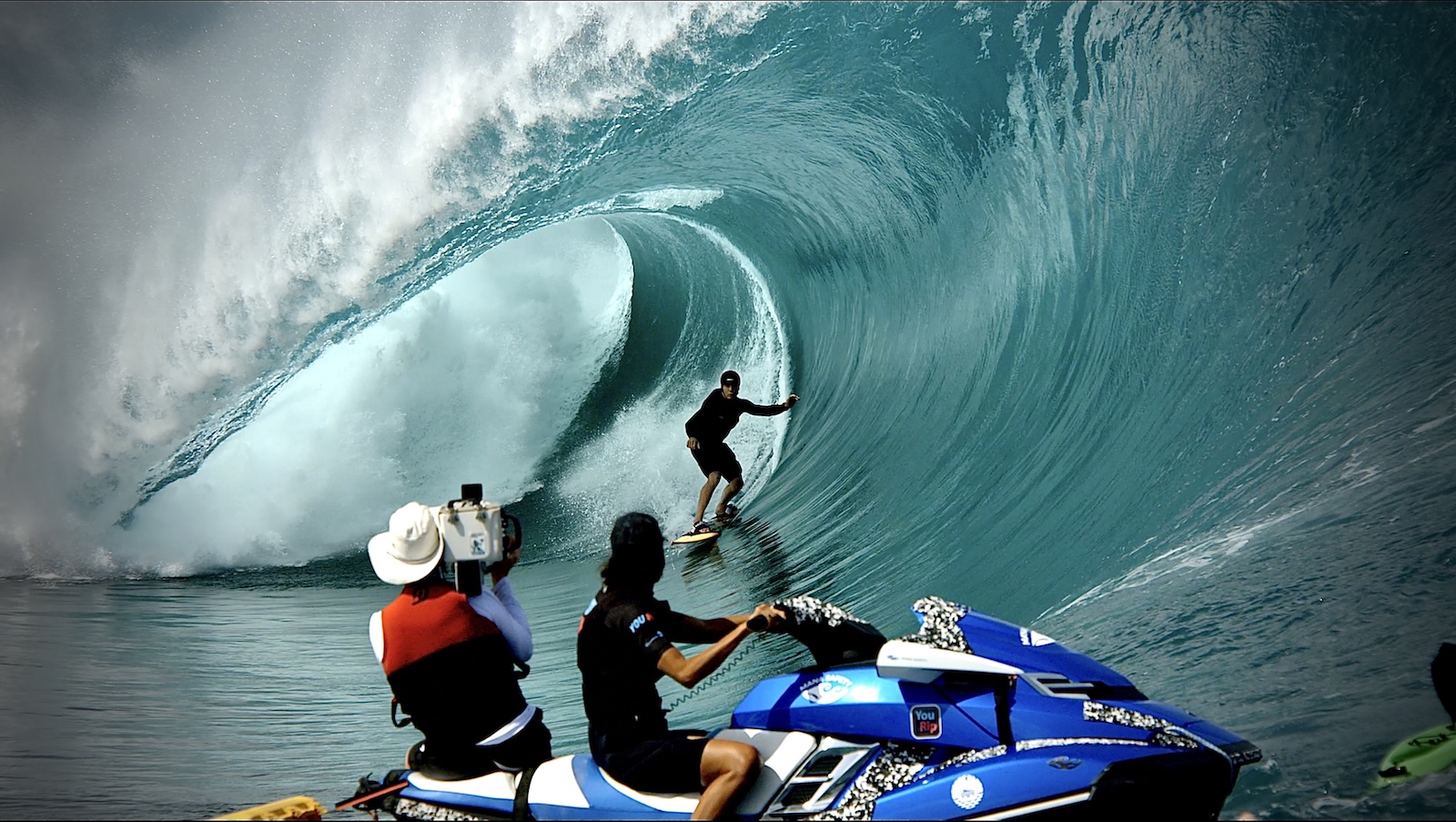
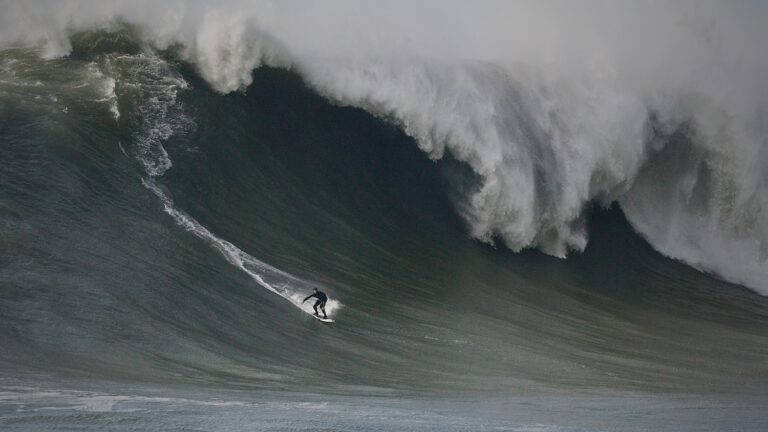
Imagine sitting on a personal watercraft in the ocean as a wall of water the size of a three-story building approaches. A surfer is racing toward you at 30 miles per hour, trying to stay ahead of the breaking wave. You have only seconds to position yourself, frame the shot, keep the camera steady, and get out of the way before thousands of tons of water come crashing down.
That’s a typical day at work.
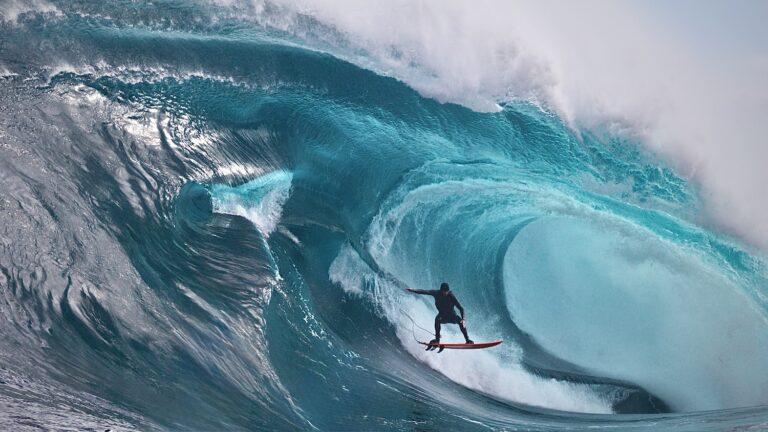
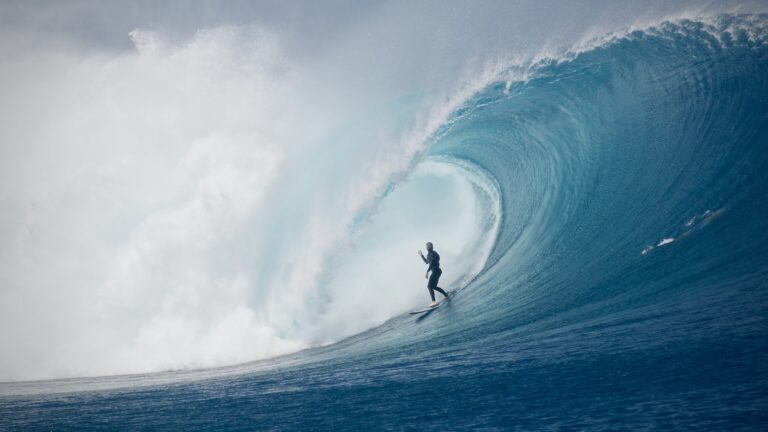
Over the years, I’ve filmed at some of the world’s most famous big-wave locations, including Nazaré in Portugal, Jaws in Hawaii, and Teahupo’o in Tahiti. Each break has its own personality. Nazaré delivers mountains of moving water. Jaws combines size with incredible speed. Teahupo’o creates one of the most perfect—and terrifying—barrels on Earth.
The challenge isn’t just surviving the conditions. It’s telling the story. Anyone can point a camera at a big wave. What fascinates me is capturing the emotion: the anticipation before a set arrives, the commitment when a surfer drops in, and the relief and exhilaration when they make it through.
The ocean is unpredictable. You can spend days waiting for the right swell. You can travel halfway around the world and come home with nothing. Then suddenly everything aligns – the weather, the swell direction, the wind – and you’re witnessing something extraordinary.
Those are the moments that keep me coming back.
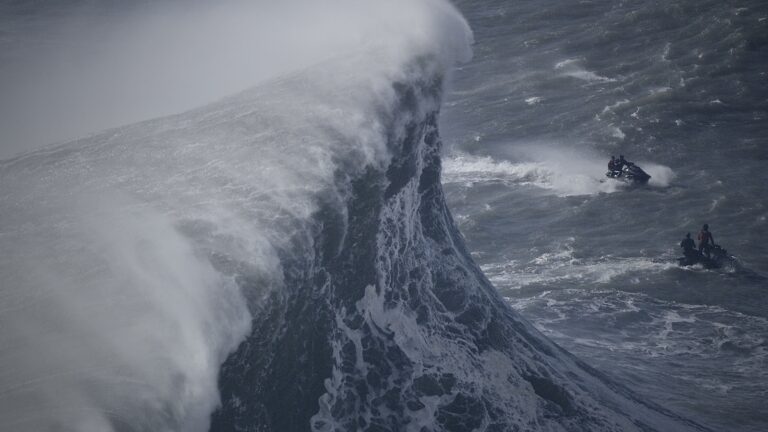
There’s also a unique camaraderie among the people who operate in these environments. The surfers, rescue teams, photographers, and water safety crews all understand that they’re working in a place where mistakes have consequences. Everyone relies on each other. There’s a deep respect for the ocean and for the people willing to challenge themselves against it.
What I love most is that every session is different. Even after decades of filming, I still feel excitement when I see a new swell on the forecast. I still get butterflies before heading out. The ocean never lets you become complacent.
And that’s part of the magic.
Advice to Others:
People sometimes look at my career and think I was lucky enough to find an exciting job. The truth is that this career didn’t exist when I started. I didn’t apply for a position as a professional big-wave cinematographer. I created it.
That’s an important lesson.
Many people have a dream, but they spend years waiting for permission to pursue it. They wait until they have more money, more experience, more confidence, or more certainty. Unfortunately, those conditions rarely arrive all at once.
You have to start before you’re ready.
When I first became interested in filming surfing, I wasn’t thinking about making a living from it. I was simply fascinated by it. Curiosity came first. Passion followed. The business opportunities emerged later.
That’s often how it works.
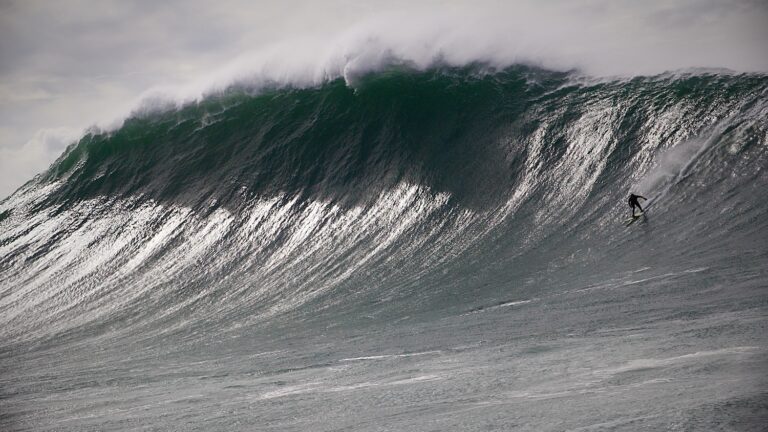
If you’re trying to discover your own dream, pay attention to what genuinely excites you. What are you willing to do when nobody is paying you? What topic can you talk about for hours? What challenge keeps pulling you back even when it’s difficult?
Those clues matter.
Once you’ve found that thing, become a student of it. Learn everything you can. Develop skills. Meet people in that world. Volunteer. Experiment. Create opportunities rather than waiting for them.
Most importantly, don’t assume your dream has to look exactly like someone else’s. There may not be a clearly defined career path. There wasn’t one for me. Yet by combining my love of the ocean, storytelling, and filmmaking, I built a livelihood around something I genuinely enjoy.
Not everyone will become a professional athlete, filmmaker, or explorer. That’s okay. The goal isn’t necessarily to quit your job and do something extreme. The goal is to build more of what energizes you into your life.
Sometimes that becomes a career. Sometimes it remains a passionate hobby. Either outcome is worthwhile.
Life moves quickly. The opportunities you’re waiting for may never arrive on their own. Take the first step. Learn as you go. Stay curious. And don’t be afraid to paddle toward a wave that looks a little bigger than you’re comfortable with.
That’s often where the best stories begin.