
My Adventure: by Dale Simonson
I’m starting to find that the trend I see in many ultra-runners is starting to show itself in me. A month or two after completing each long-distance race, I start getting the itch to challenge myself with something just a little bit longer or harder — or at least something that presents some unique new challenge or sense of adventure. So having completed a 100 mile run, and a 135 mile winter trail run, I signed myself up for the inaugural running of the 220+ mile Pilgrimage.
This turned out to be a wonderful race in many regards, including:
- It was very well run, by Chase and Casey Hammond who own Ultraverse Supplements and host 10 different ultra-marathons.
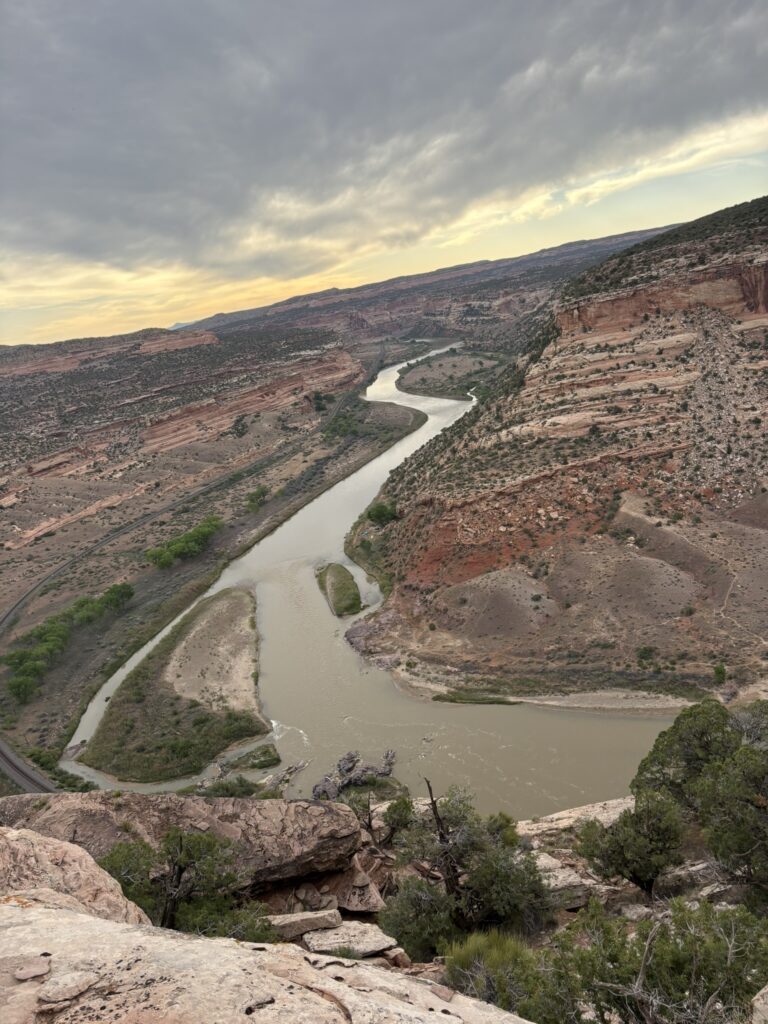
- The scenery in the high desert of western Colorado along the Colorado River Valley was spectacular.
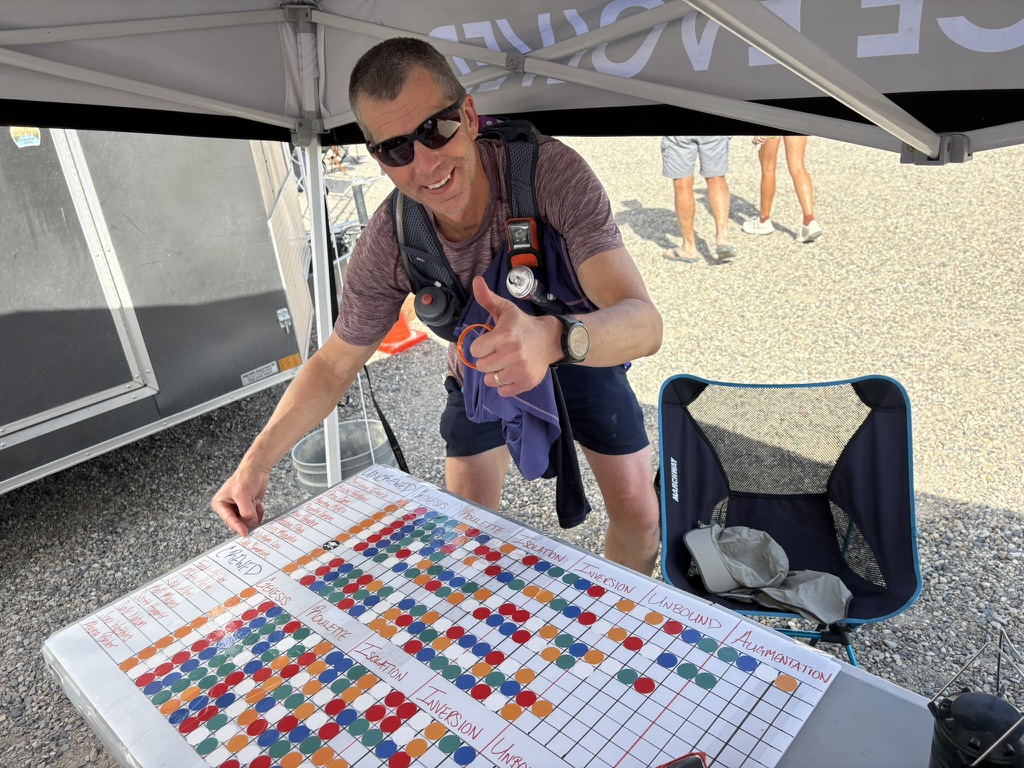
- The race format is wonderfully unique – too complex to explain here, but you can look it up.
- The community of runners and volunteers is super supportive and nice.
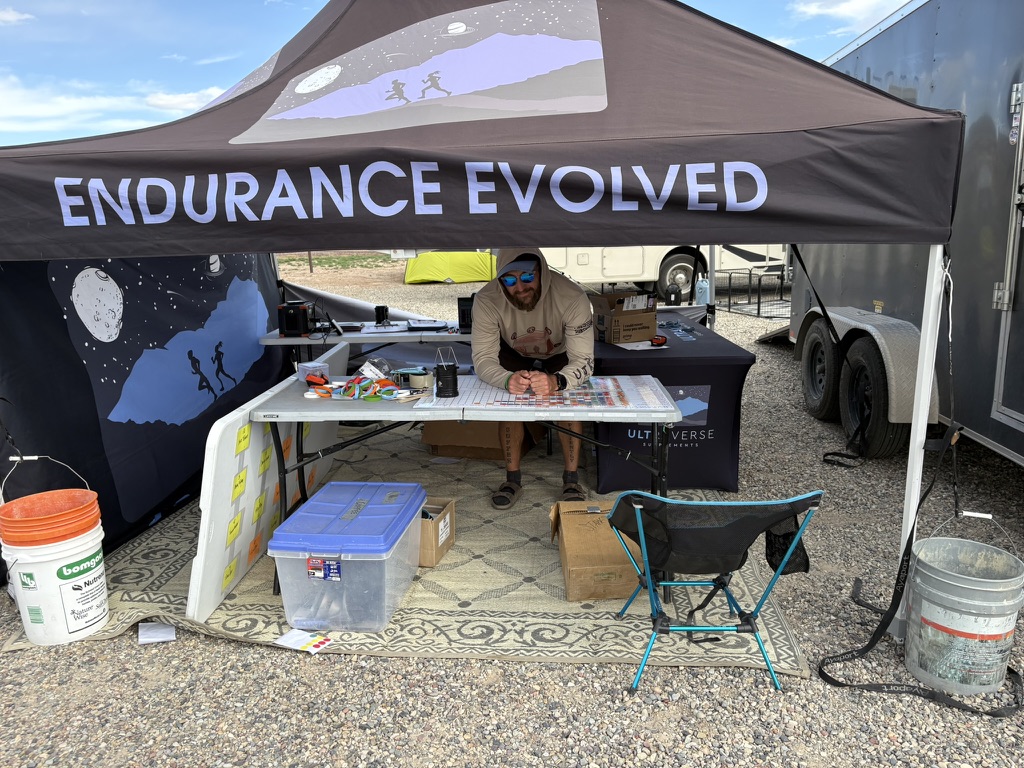
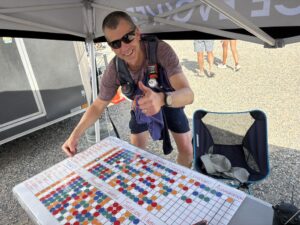
In short, this is a timed race with a 150 hour cutoff during which participants must complete a minimum of 220 miles (with about 24,000 feet of elevation gain) to avoid a DNF. Once the minimum is completed, participants can continue logging miles until the clock runs out. Personally, I was so wiped out by the time I hit the 220 mile mark I stopped there, but to my surprise more than half the participants continued, some well into the 300+ mile range. Yikes!
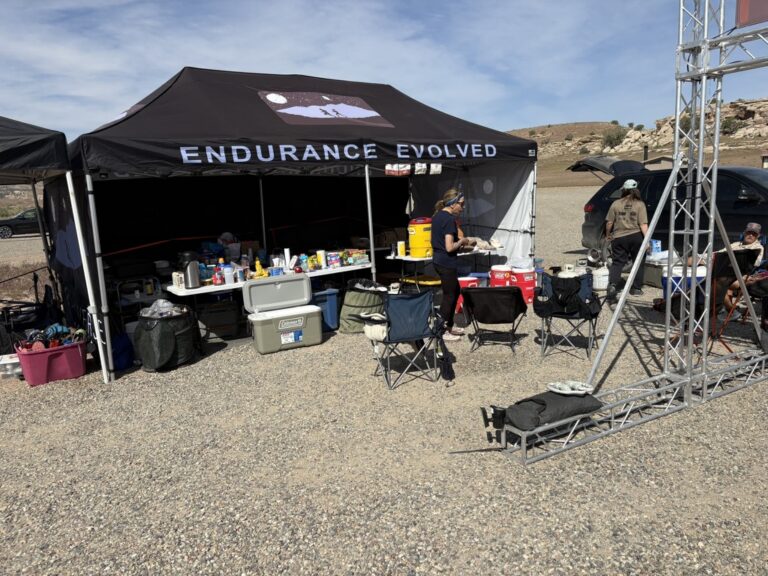
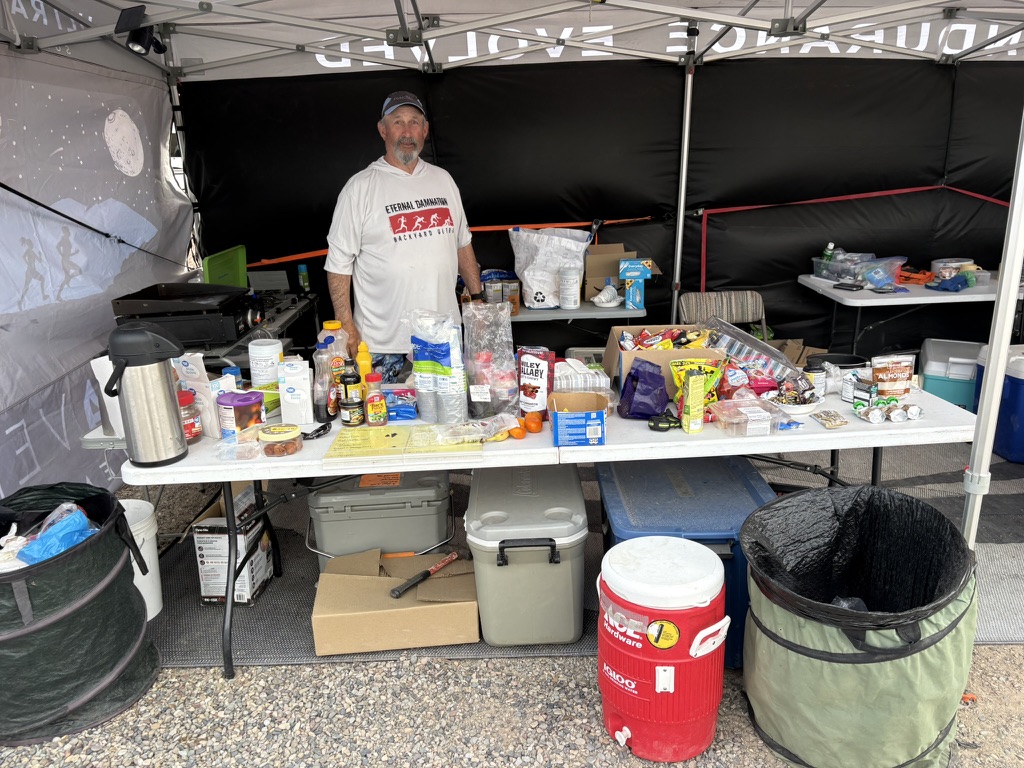
The course is creatively designed with 55 miles of trail, including zero pavement and lots of wonderful single-track. It’s comprised of 5 loops in the 7-13 mile range each, with a single central base camp / aid station where each loop starts and ends where runners can sleep and have access to lots of great food. The format provides a great mix of solitude on the trail, but communal interaction at base camp.
Don’t get me wrong. This was a very challenging race for me, mainly because: a) I had not trained as diligently as I did for my previous ultras, b) because I showed up at the race a day late and heavily sleep deprived, and c) I did not do a good job of foot care management and developed lots of painful blisters before I even hit the 100 mile mark.
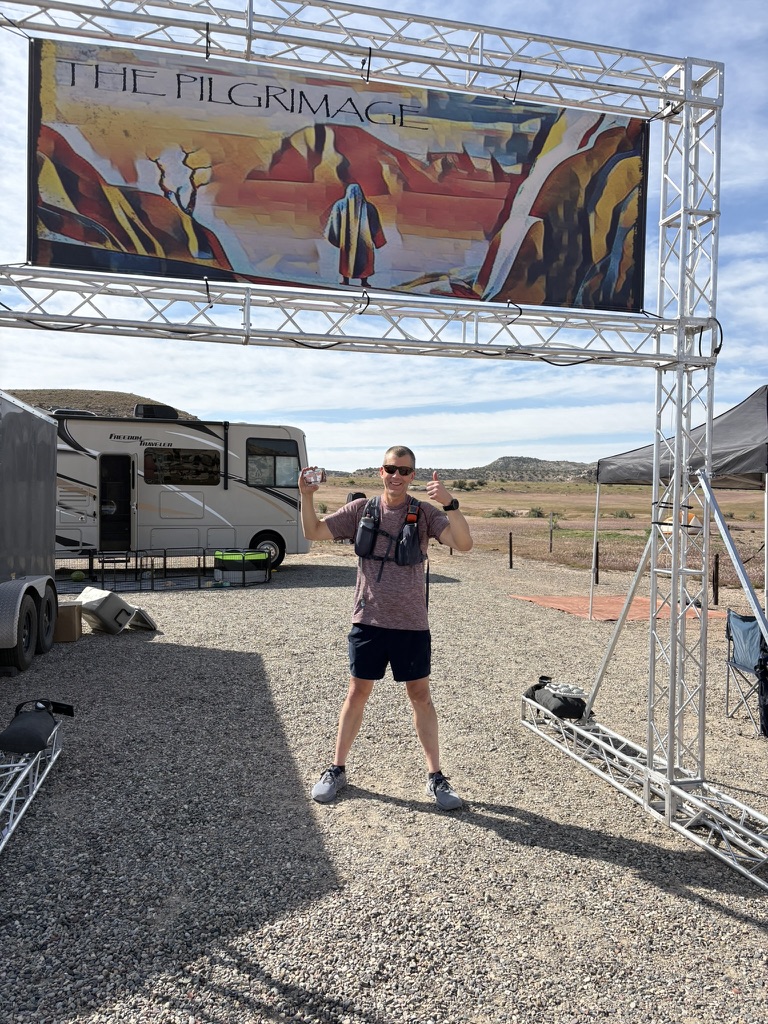
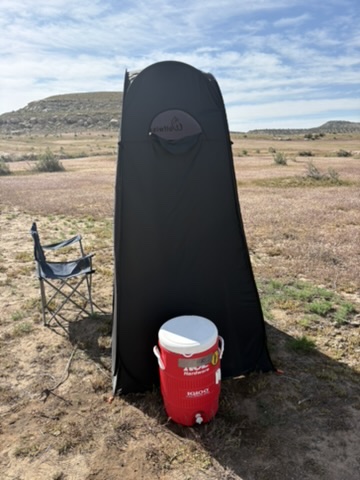
By the way, you’ll need to be comfortable with being uncomfortable. Unless you pull up in a slick RV (which some participants did), your accommodations will be your tent or car. No running water at base camp, unless you count the simple 5-gallon bucket with small water pump setup in the photo above. But seriously, who cares?! There’s always time to clean up when the running is over!
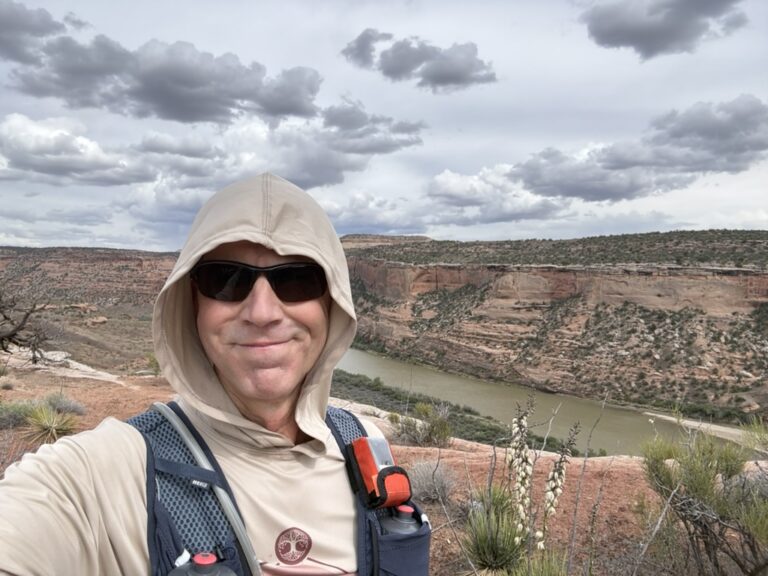
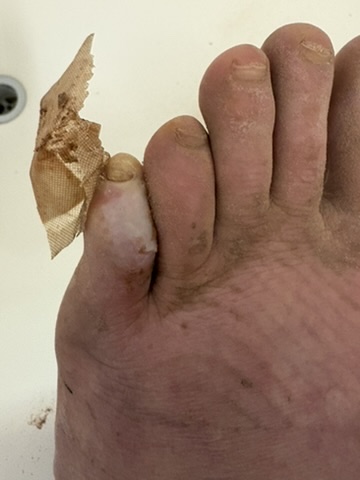
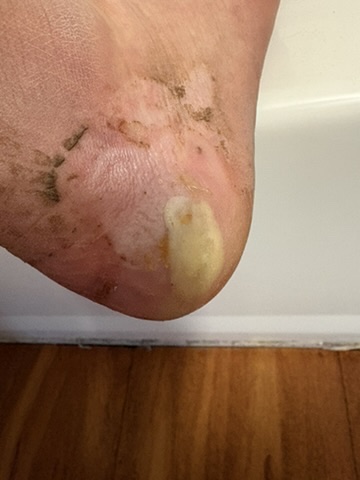
Advice to Others:
My podcast episodes capture the essence of several participants’ reasons for subjective themselves to such “abuse” as a run like this. A common theme was, after years of getting caught up in work and the busyness of life, their health got away from them, they had gained lots of weight, developed medical issues like diabetes, felt a lot of stress, and were on various medications. Invariably, something triggered them to turn their life around through exercise, found that regular walking or running fixed their ailments, and they just continued on from there.
My story is a little different. I do it for the personal challenge, as a way to stay fit and avoid ever encountering those medical issues, and as an excuse to be outside in nature experiencing landscapes up close and personal. But whatever your reason, you’ll need to have something sufficiently motivating to you to stick it out through the mental and physical challenges of a race like this.
There were a handful of DNFs, but the generous time limit does make this a very doable race for most people. My only advice is, start much smaller than a 220-miler. Start with a walk in the park, then a 5k, then a 10k, a half-marathon, a marathon, a 50-miler, and so on. And trust me, you’ll find each of those distances totally different from each other. The longer the distance, the more walking and less intensity there tends to be. Some might even just call The Pilgrimage a (very) long walk in the park!
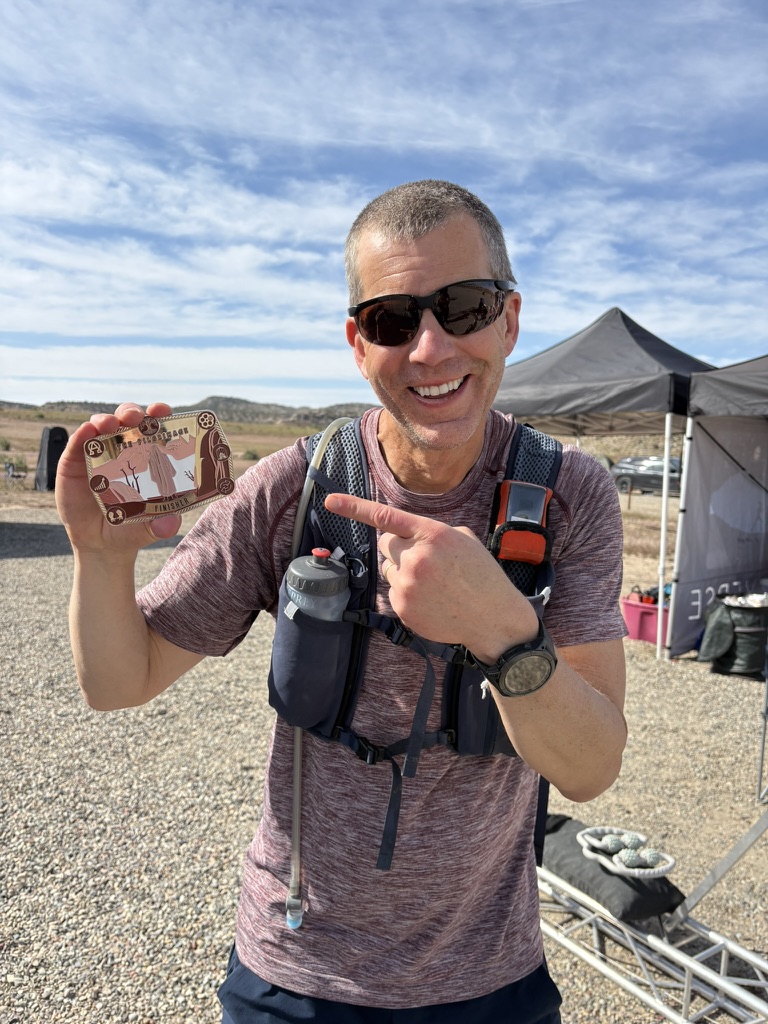
Oh, and if you make the distance, you’ll win a really fancy belt buckle!